Ladakh is famous for its dramatic mountains, cold deserts and remote valleys, but nature lovers come here for another reason too: the birds. Around high-altitude lakes, riverbanks and open grasslands, you can spot species that are hard to find anywhere else in India. Some visit only for a season, while others are built for thin air and a harsh climate. Bird watching in Ladakh feels very different from birding in a forest or a lowland wetland.
The landscape is open, the weather can turn quickly, and finding a bird often means watching a far-off slope or scanning the edge of a lake for the smallest movement. Patience matters, and so does knowing where to look.
If you’d like to combine birdwatching with mountain scenery and other wildlife, a wildlife bird safari is a rewarding way to see the region.
Ladakh sits in the Trans-Himalayan region of northern India. Its landscape mixes rocky mountains, alpine meadows, cold-desert plains, marshes and high-altitude lakes. Each habitat draws different birds, so the region suits seasoned birders and complete beginners alike.
Wetlands give waterbirds places to feed and rest, especially during migration. Open plains suit ground-dwelling species, while cliffs and ridges are ideal for birds of prey. The Indus River and the land around it offer more chances to watch birds near water.
It isn’t only about how many species you tick off. In Ladakh, the setting is part of the appeal. You might spend a quiet morning beside a lake, then drive through a wide valley where the only movement comes from birds crossing the sky.
Ladakh supports high-altitude birds, waterbirds and raptors. What you see depends on the season, the weather, the habitat and how long you spend in each place, so no sighting can be promised.
This is one of the most sought-after birds in the region. It lives in high-altitude wetlands and open grasslands, where it feeds and nests during the breeding season. The black head and neck make it fairly easy to recognise when you get a clear view.
Changthang is a key area if this bird is your main goal. Watch from a respectful distance, especially in the breeding season, because disturbance can affect nesting birds.
The Tibetan sandgrouse is at home in the dry, open country of the Tibetan Plateau and nearby high-altitude regions. Its camouflage makes it hard to pick out against rocky or sandy ground.
Early mornings are usually your best bet, before the day warms up. A guide who knows the local birding spots can help you find likely places.
The ibisbill is a striking riverside bird with a long, curved bill. It favours stony riverbeds and fast mountain streams, where it hunts for food among the rocks.
Suitable stretches of the Indus system are worth exploring. Move slowly and scan the edges of shallow water, because its plumage blends in with the stones.
This goose is famous for its high-altitude migrations across the Himalayas. In Ladakh, you can see it around wetlands and lakes at the right times of year.
Look for groups feeding or resting near the water. Binoculars help a lot here, since getting too close can scare them into flight and waste energy they need.
The Himalayan snowcock lives on high, rocky mountainsides. You’ll often hear it before you see it, and finding one usually means scanning steep slopes and ridgelines.
A good pair of binoculars makes a real difference. Rather than walking straight towards a bird you think you’ve spotted, find a steady viewing point and watch the slope carefully.
The best spot depends on which birds you want and how much time you have.
These spots sit in different landscapes and at different heights. When deciding how many to fit into one trip, think about travel time, road conditions and how well you’re acclimatising.
It depends on the birds you’re after and the kind of birding you want. Spring brings movement and breeding activity for some species, and summer opens up many high-altitude areas and their wetlands. Late summer and early autumn can be productive too.
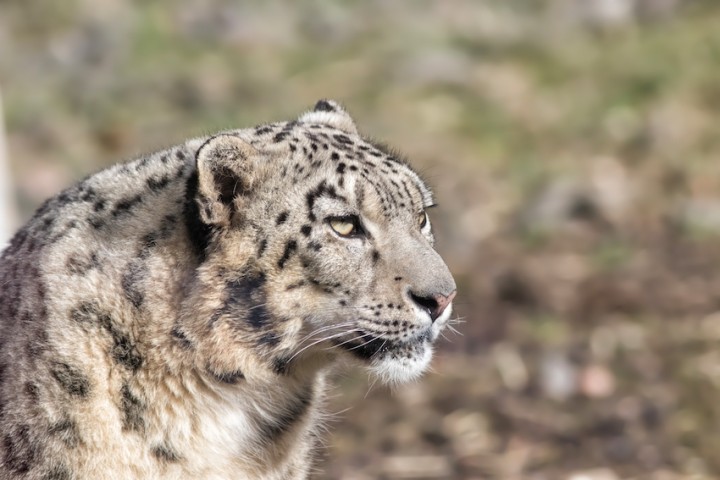
Winter is a different story. It’s best known for snow leopard tracking and other cold-season wildlife, but harsh weather and limited access make birding harder.
Before you choose dates, talk to a local operator about what you want to see. Ask which birds are likely to be around, what the roads might be like and whether the plan gives you enough time at each stop. Sightings always depend on nature.
Birdwatching at altitude takes more preparation than a stroll in a city park. Leh is at roughly 3,500 metres above sea level, and some birding sites are much higher.
A well-planned itinerary makes the trip more comfortable too. Long drives between valleys often take longer than expected, so don’t cram too many birding spots into one day.
Overland Escape features wildlife safari experiences in Ladakh, with its published information highlighting species such as the snow leopard, Tibetan wild ass and Himalayan blue sheep, along with the region’s birdlife. The best itinerary depends on whether your priority is birdwatching, mammal sightings or a broader wildlife experience.
If you are considering a Ladakh birding & wildlife safari, confirm whether the proposed itinerary includes birdwatching-specific stops, the amount of time available at wetlands and river habitats, and access to locations such as Changthang or Tso Moriri. Ask about local guide expertise, road conditions, altitude and the likely species for your travel dates. These details will help you understand what the trip actually includes before booking.
Birdwatching in Ladakh rewards patience more than speed. A quiet hour beside a wetland can be just as memorable as a sighting on a mountain slope. With the right preparation, realistic expectations and respect for the environment, it’s a distinctive way to experience the wildlife of the Indian Himalayas.
Ladakh combines high-altitude wetlands, rocky slopes, cold-desert plains and river habitats. Together they support specialised mountain birds, migratory waterbirds and raptors, which makes the region especially interesting for birdwatchers.
You might see the black-necked crane, Tibetan sandgrouse, ibisbill, bar-headed goose and Himalayan snowcock. What you actually find depends on the season, the location and the weather.
Spring through early autumn is generally worth considering, though the best timing varies by species and place. Check seasonal conditions and likely sightings with a local guide before you book.
Yes. Beginners can start at accessible wetlands and river areas near Leh before heading somewhere more remote. Binoculars, a field guide and someone who knows the local birds make identification much easier.
Yes. Leh and many birding sites are at high altitude. Allow time to acclimatise, avoid climbing too quickly and get medical help if you develop a worsening headache, nausea or unusual breathlessness.
Yes. Depending on the route and season, a wildlife-focused trip may let you look for mammals such as kiang, Himalayan blue sheep and marmots alongside the birds. Sightings are never guaranteed.
Binoculars, layered clothing, sun protection, sturdy footwear, water and any personal medication. A camera and a field notebook are optional but handy for recording what you see.



 Activities