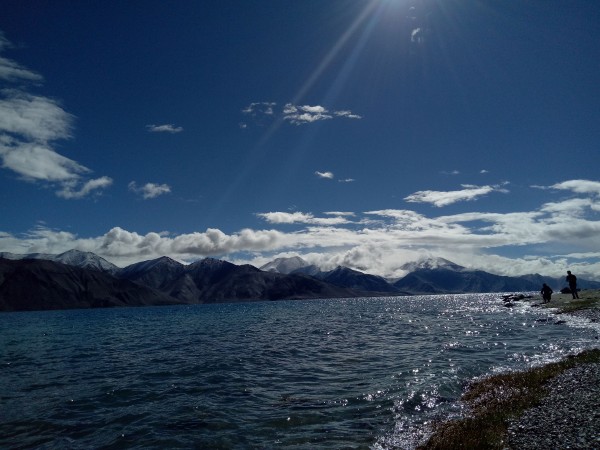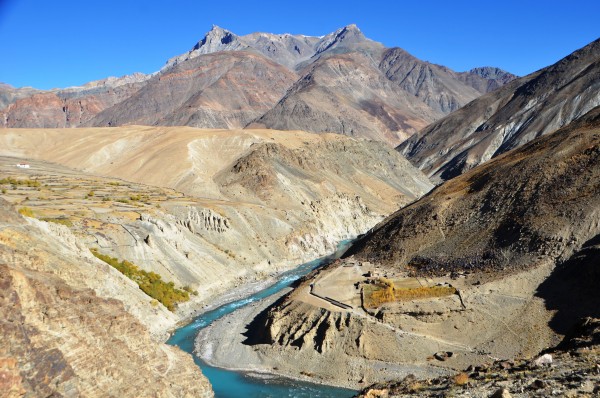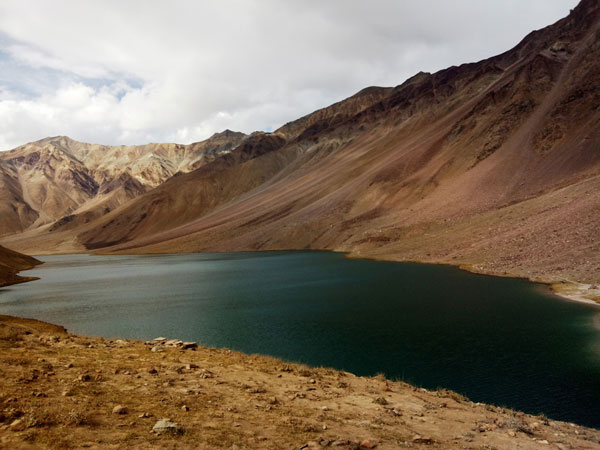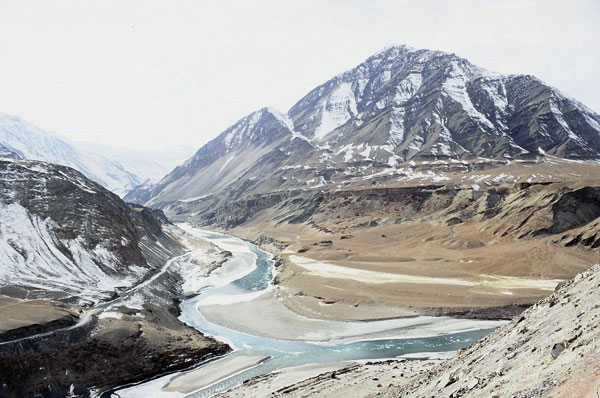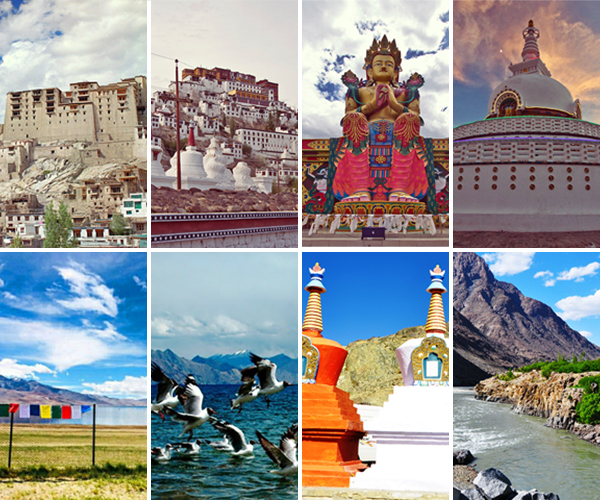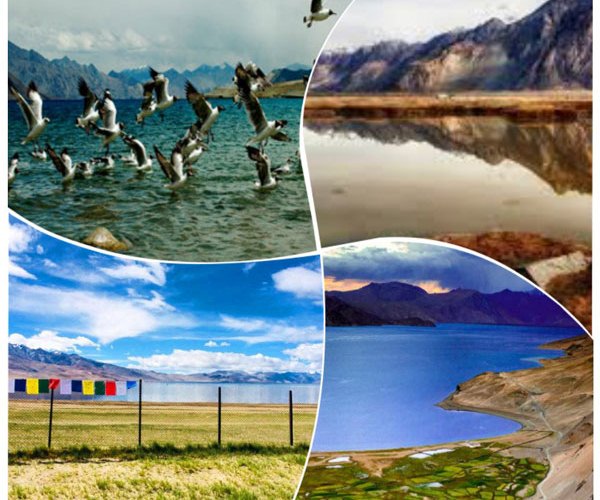
Ladakh is not a destination where you have to spend the whole trip looking through a car window. The mountains invite you to get out there and do something. Ride a bike across a high pass. Paddle through a fast moving river. Walk into a remote valley. Camp beneath a sky that feels much bigger than it does back home. That is what makes an Adventure Tour in Leh Ladakh different from a regular sightseeing holiday. The region offers a mix of outdoor activities, from trekking and river rafting to mountain biking, camping and mountaineering. Each one gives you a different way to experience the landscape.
At Overland Escape, travellers can explore trekking, rafting, mountain biking, camping, jeep safaris and mountaineering, with options suited to different experience levels and travel preferences. If you are planning a trip around adventure rather than just sightseeing, these are some of the activities worth considering.
| Activity | Difficulty | Best Suited for |
|---|---|---|
| Trekking | Moderate to Challenging | Travellers who enjoy walking and mountain scenery |
| River rafting | Moderate | Travellers looking for water based adventure |
| Mountain Biking | Challenging | Experienced cyclists and endurance riders |
| Jeep Safari | Easy to Moderate | Travellers who want adventure without strenuous hiking |
| Camping | Easy to Moderate | People looking for a slower outdoor experience |
| Chadar Trek | Challenging | Experienced winter adventure travellers |
| Mountaineering | Advanced | Trained climbers and expedition enthusiasts |
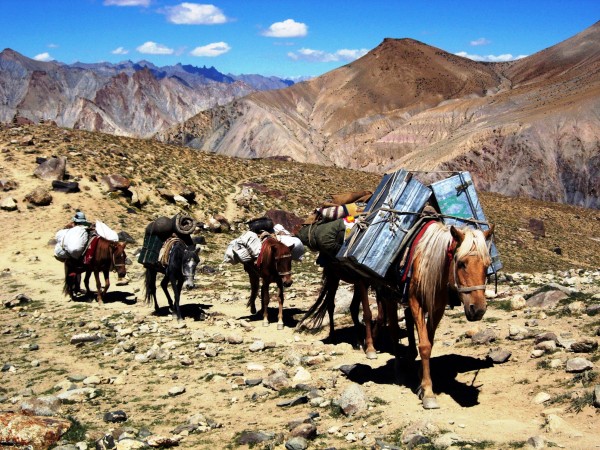
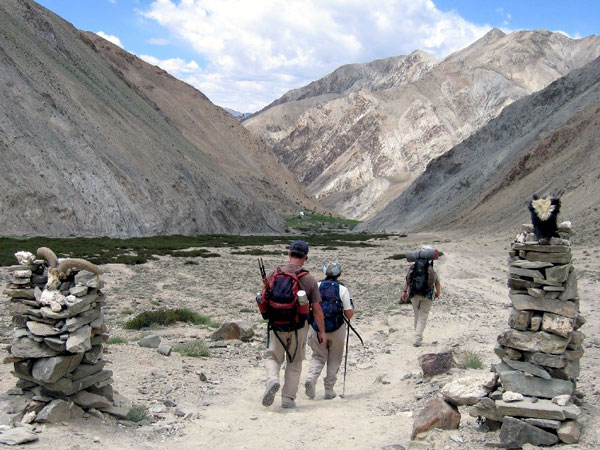
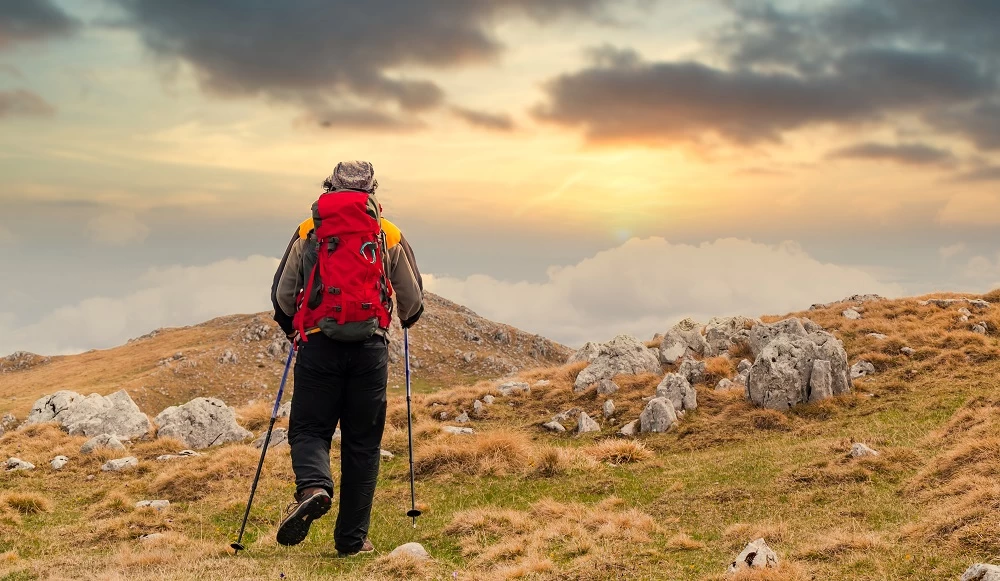
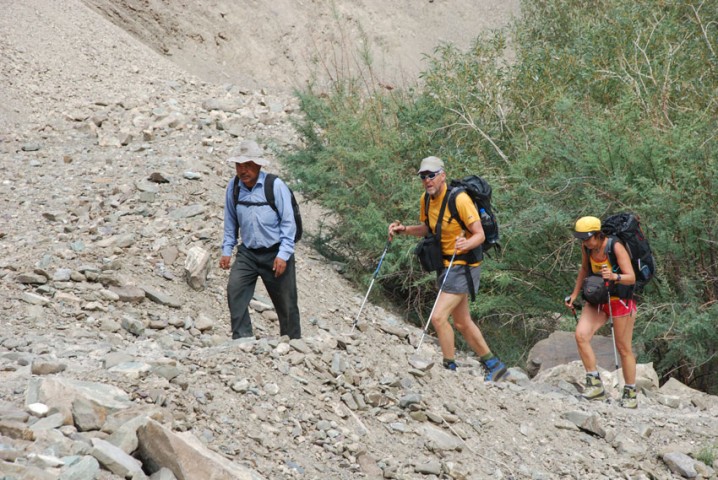
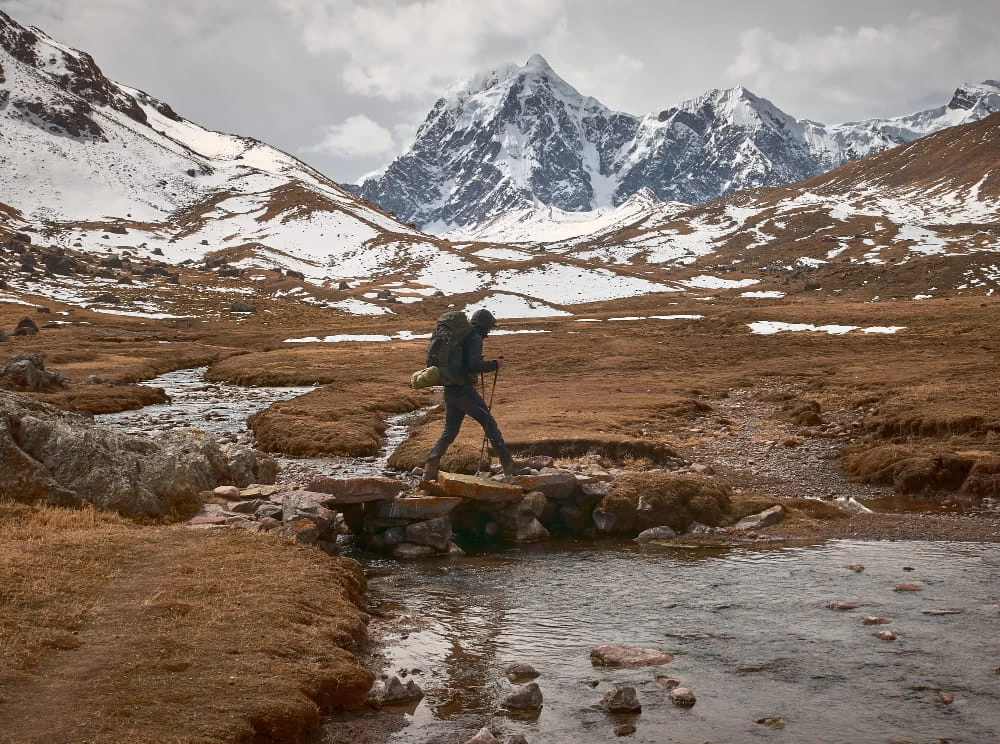
Trekking remains one of the best ways to experience the quieter side of Ladakh. Roads can take you close to remote villages and valleys, but walking lets you notice the smaller details: a narrow trail beside a stream, a village tucked between barren slopes, prayer flags moving in the wind.
Popular routes include Markha Valley, Sham Valley and trails around Lamayuru and Nubra. The difficulty varies, so beginners do not necessarily have to start with a demanding multi day trek.
Altitude is the main factor to respect. Leh is situated at roughly 3,500 metres above sea level, while some trekking routes climb considerably higher. Give yourself time to acclimatise before taking on a strenuous trail.
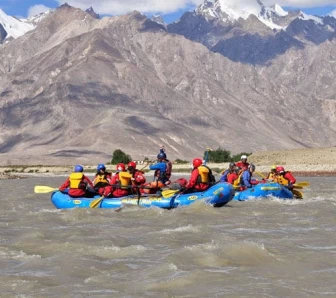
The mountains look very different from the water. River rafting on the Indus and Zanskar brings a faster pace to your Ladakh adventure. The Zanskar is especially known for its dramatic canyon surroundings, while sections of the Indus offer opportunities for rafting through a striking high altitude landscape.
Difficulty depends on the river section, water conditions and season. Some sections are more suitable for beginners, while others are better suited to people with previous rafting experience. This is not just about the rapids, either. Between the exciting stretches, you get moments to look up at the huge cliffs and rocky valleys around you.
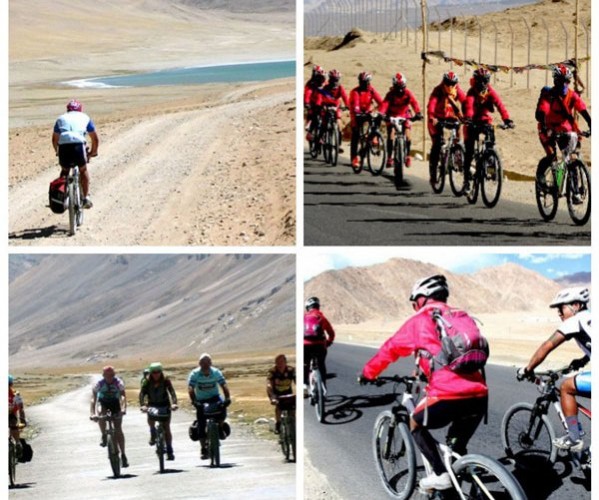
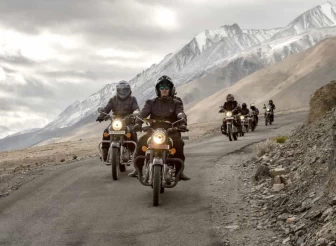
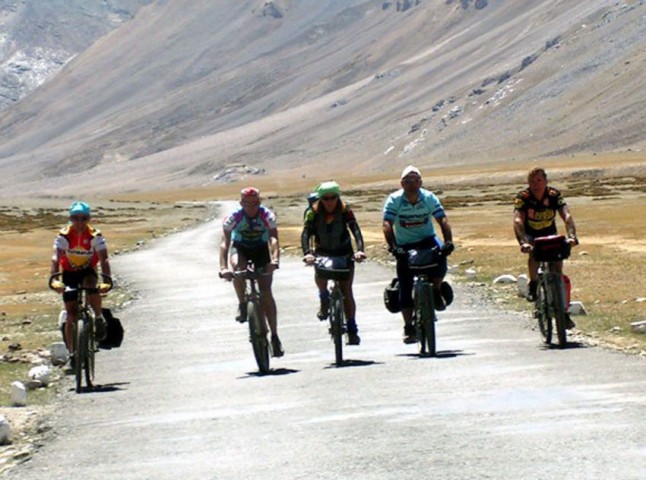
A bicycle may seem like a simple way to explore Ladakh until the road starts climbing. Mountain biking here can be physically demanding because of the altitude, steep gradients and changing road conditions. Yet for experienced cyclists, that challenge is part of the attraction.
Routes can take riders through mountain villages, open valleys and high passes. The famous roads around Khardung La, Chang La and other high altitude areas attract cyclists looking for a serious test of endurance.
Anyone planning a cycling route should factor in acclimatisation, weather, road conditions and access to support along remote stretches.
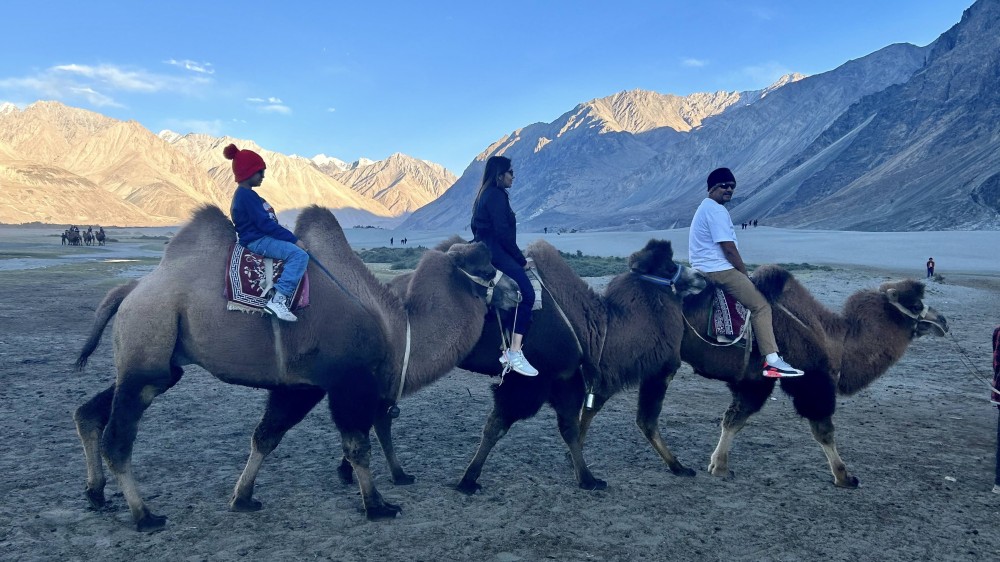
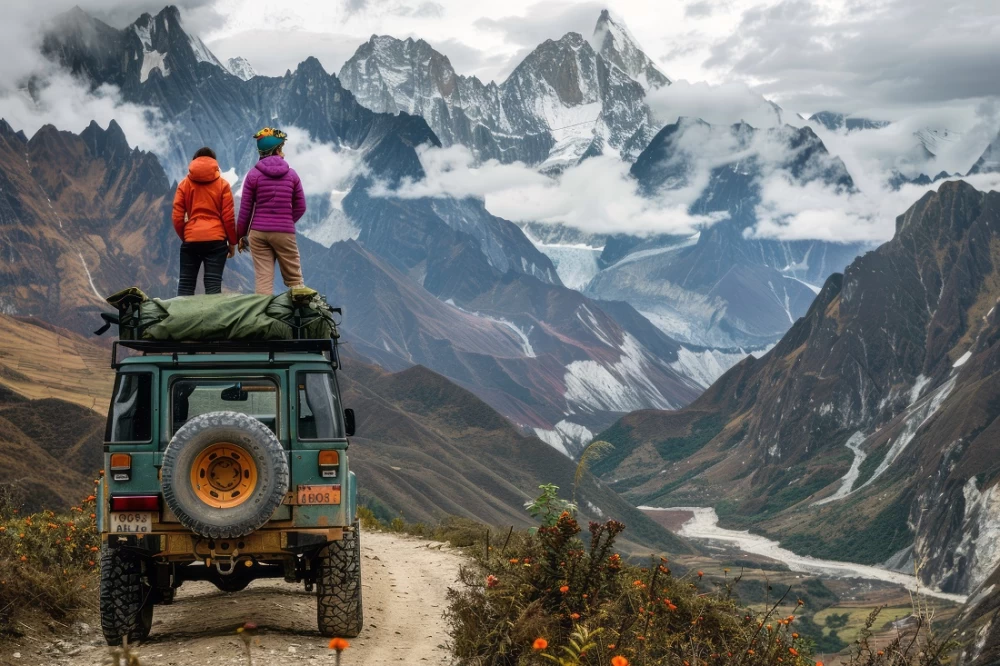
Not every adventure needs to happen on foot. A jeep safari is a practical option when you want to reach remote corners of Ladakh while covering more ground. Routes through Nubra Valley, Pangong and other high altitude areas can bring dramatic changes in scenery within a single day.
You might pass rocky mountain walls, open plains, small settlements and winding roads that seem to disappear into the landscape.
Jeep safaris also work well for travellers who want a mix of adventure and sightseeing without committing to a physically demanding trek.
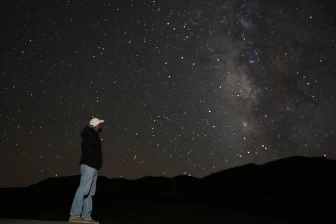
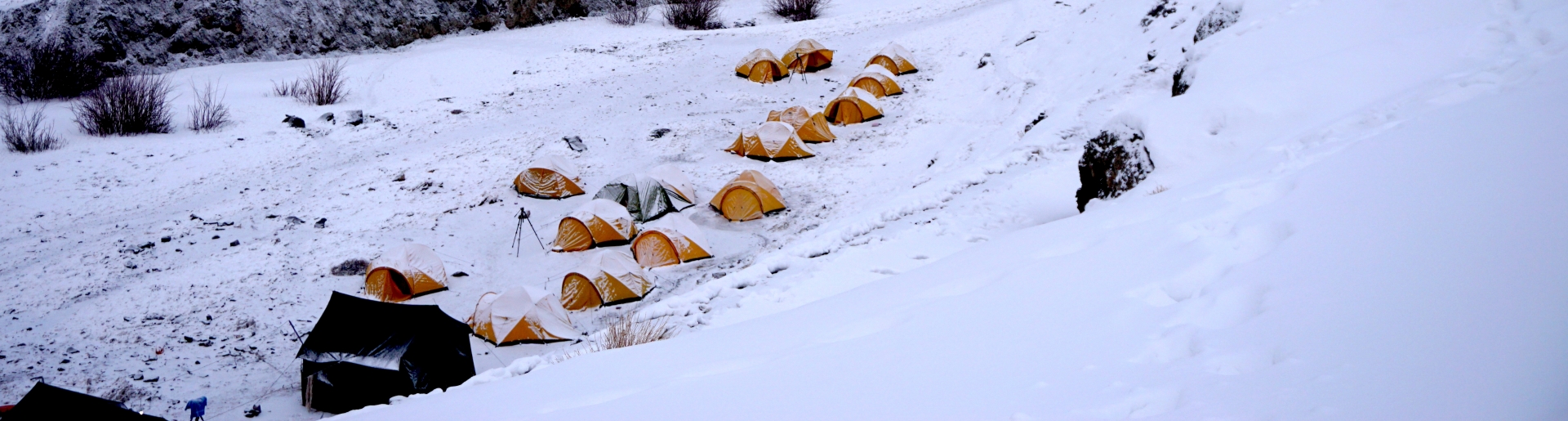
Camping in Ladakh is a quieter kind of adventure. There is no rush and very little noise once you are away from the main roads. A night spent around a campsite can become one of the memorable parts of an Adventure Tour in Leh Ladakh. The dry mountain air, clear skies and silence create a completely different experience from staying in a city hotel.
Camping can be combined with trekking, road trips and village visits. Choose campsites and operators carefully, especially at high altitude. Before confirming a stay, check what camping equipment is provided, how meals are arranged and what backup plans are available if weather conditions change.
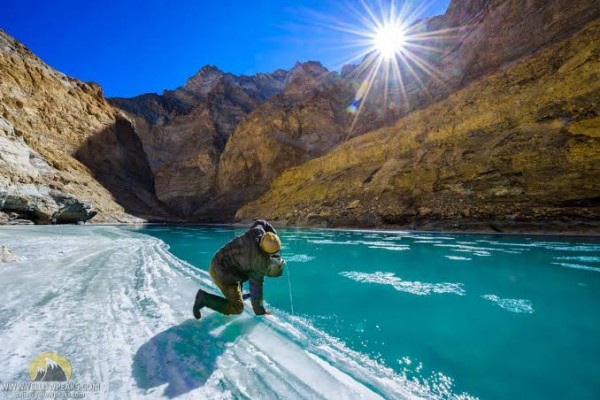
The Chadar Trek takes place along the Zanskar River during the coldest part of winter, when suitable ice conditions can create a route through the gorge. Conditions can change, so proper winter clothing, suitable footwear, physical preparation, acclimatisation and experienced local guidance are essential.
The landscape is spectacular, but the conditions are demanding. That combination is exactly why experienced adventure travellers are drawn to it.
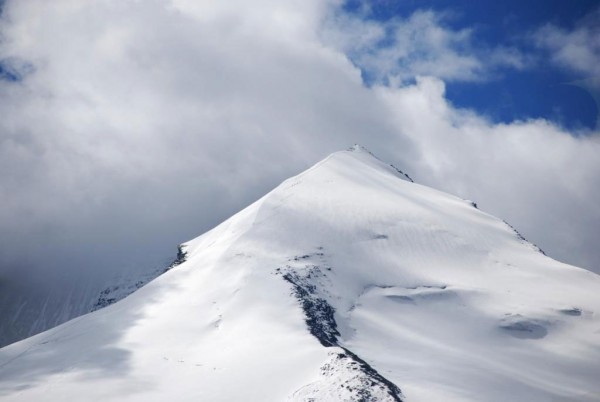
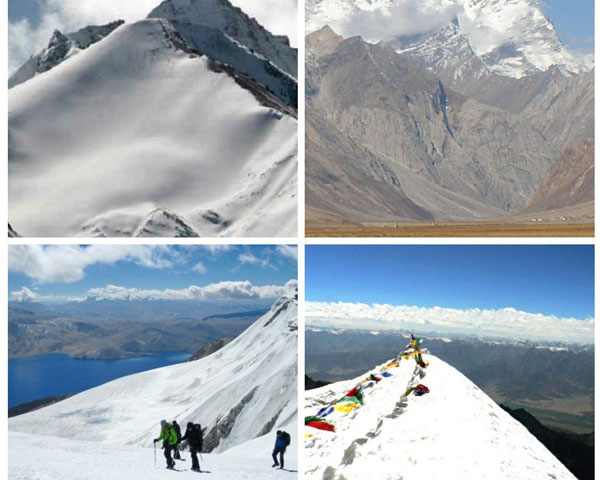
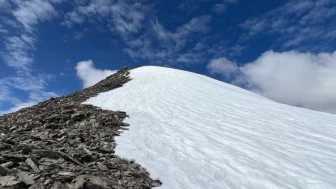
Ladakh also attracts climbers and mountaineers interested in high altitude terrain. The region has several peaks and mountain areas that appeal to experienced expedition teams.
Mountaineering is a very different proposition from sightseeing or recreational trekking. It requires technical knowledge, physical preparation, appropriate equipment and professional support.
Beginners should not treat a high altitude expedition as an extension of an ordinary Ladakh trip. The risks and preparation are on another level.
The appeal of Adventure Tourism in Ladakh is not simply the number of activities available. It is the setting.
Few destinations let you combine outdoor adventure with monasteries, traditional villages, high mountain passes and vast desert like valleys in the same trip. You can spend one morning hiking and another day rafting. A mountain biking route can end near a small village where life still follows a slower rhythm.
There is also a sense of remoteness here. Even popular routes can feel wonderfully isolated once you move away from the main tourist centres.
Altitude can change how an activity feels. A route that seems manageable at sea level may feel considerably harder in Ladakh, especially during the first few days. Give your body time to adjust before attempting strenuous activities, and do not treat acclimatisation as spare time that can simply be removed from the itinerary.
Your fitness level matters too. Regular walking, cycling, stair climbing or cardiovascular exercise before the trip can make high altitude activities easier to manage.
The activity itself should also match your experience. A beginner friendly trek and a high altitude expedition are not interchangeable. Neither is a relaxed rafting trip and a challenging river section.
Before booking an activity, ask the operator about acclimatisation days, route difficulty, equipment provided, emergency support and what happens if weather conditions affect the itinerary. These details can make a real difference when you are travelling through remote, high altitude areas. A good operator should be clear about what is included and what preparation is expected from you.
Your packing list depends on the activity and season, but a few basics are useful across most Ladakh adventures. Carry layered clothing, a warm outer layer, sturdy footwear, sunglasses, sunscreen, a reusable water bottle and any personal medication you need. Trekkers and cyclists should also carry activity specific equipment recommended by their operator.
A small first aid kit is worth keeping handy too. Weather can change quickly in the mountains, so packing only for the daytime temperature can leave you uncomfortable once the sun goes down.
There isn't one “best” adventure in Ladakh. Your fitness, experience and available time should guide the choice. A cyclist may prefer a high pass, while another traveller may enjoy trekking through a remote valley or rafting between steep canyon walls.
You can also combine different activities if your itinerary allows enough time for rest and acclimatisation.
Ladakh does not have one definition of adventure. You might want to push yourself across a high mountain pass, walk through a remote valley, raft beneath towering cliffs or simply spend a night away from the busy tourist areas. The right choice comes down to your experience, fitness, available time and preferred level of challenge.
Explore Overland Escape's adventure activities and build your Adventure Tour in Leh Ladakh around the experiences that suit you best.
Trekking, river rafting, mountain biking, camping, jeep safaris, the Chadar Trek and mountaineering are among the major adventure options.
Yes, but beginners should select activities suited to their fitness and experience. Easy treks, suitable rafting routes, camping and guided sightseeing can be good starting points.
The best time depends on the activity. Trekking, rafting, mountain biking and camping are generally more accessible during Ladakh's warmer travel season, while the Chadar Trek is a specialised winter experience. Weather, road access, river conditions and the specific route can affect availability.
Yes. Leh is at high altitude, and the body needs time to adjust. Acclimatisation is particularly important before strenuous trekking, cycling or other demanding activities.
Yes. Trekking can be combined with rafting, camping, mountain biking or jeep safaris, provided the itinerary allows enough time for rest and acclimatisation.
Adventure activities always carry some risk, particularly at high altitude. Choosing experienced operators, using proper equipment, following safety instructions and respecting weather and local conditions can reduce avoidable risks.
Overland Escape offers several adventure experiences in Ladakh, including trekking, rafting, mountain biking, camping, jeep safaris and mountaineering. Its activity options can be explored before planning your itinerary.



 Activities