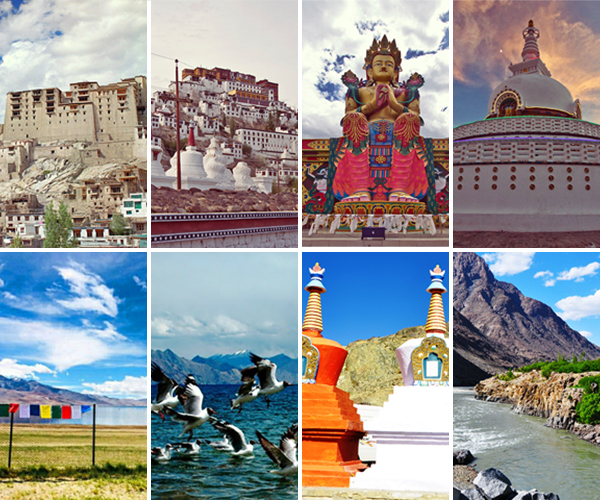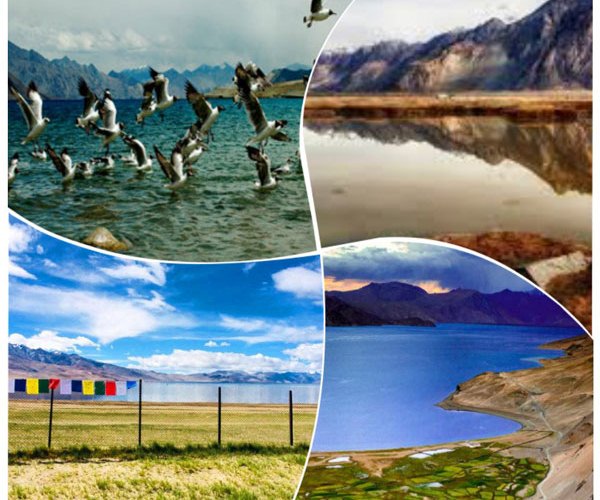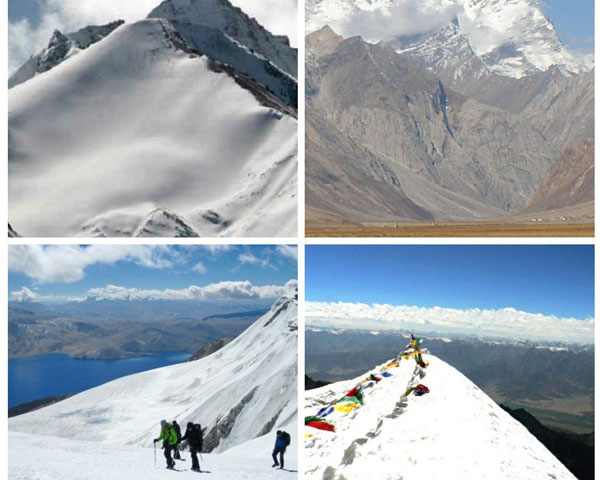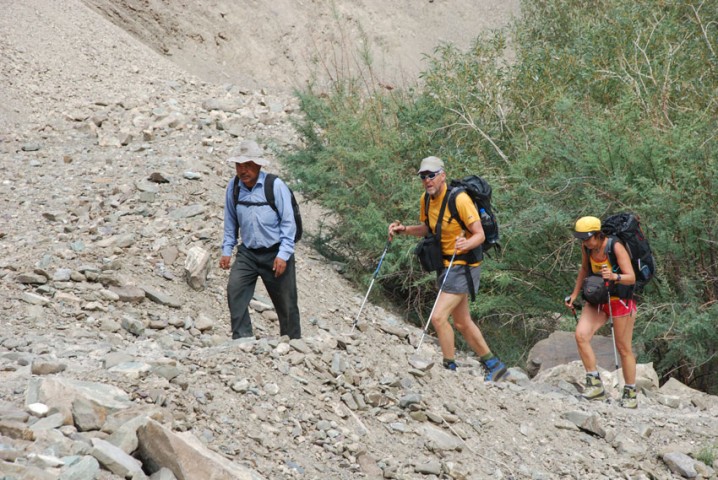
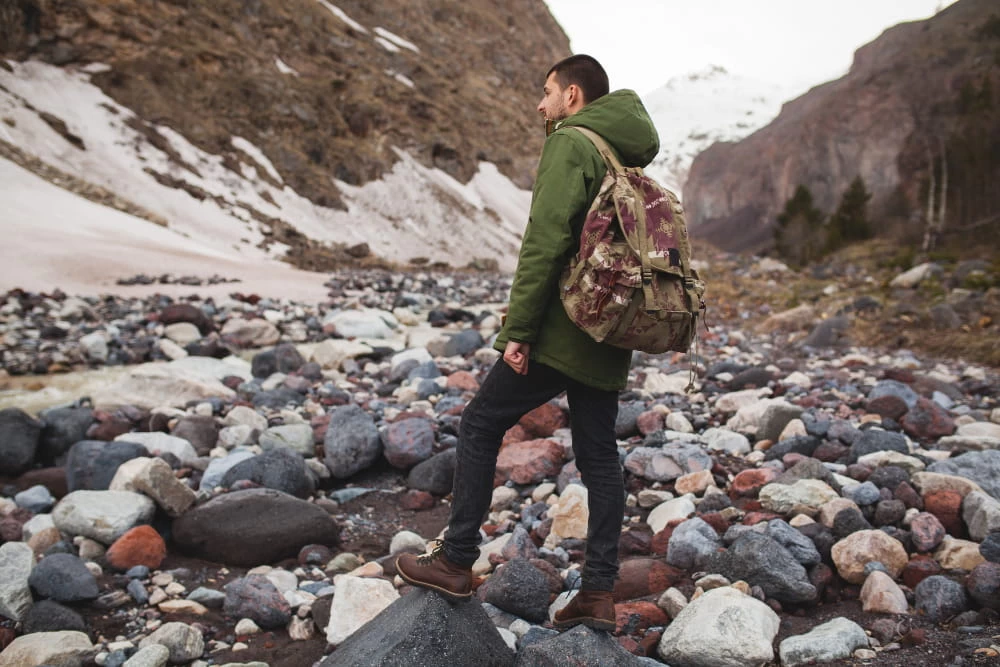
Ladakh looks spectacular from the road, but walking through its valleys gives you a very different sense of the region. A trail can lead past a small village, an old monastery, grazing animals and high mountain passes that are easy to miss from a vehicle. That is the appeal of Trekking in Ladakh. You are not simply travelling between places. The trail itself becomes part of the experience.
The choice does not have to be extreme, either. Overland Escape lists trekking and hiking experiences ranging from shorter routes to multi-day high-altitude treks, with camping and homestay options available across different parts of Ladakh. The right route depends on your fitness, experience, available time and how much time you want to spend in the mountains.
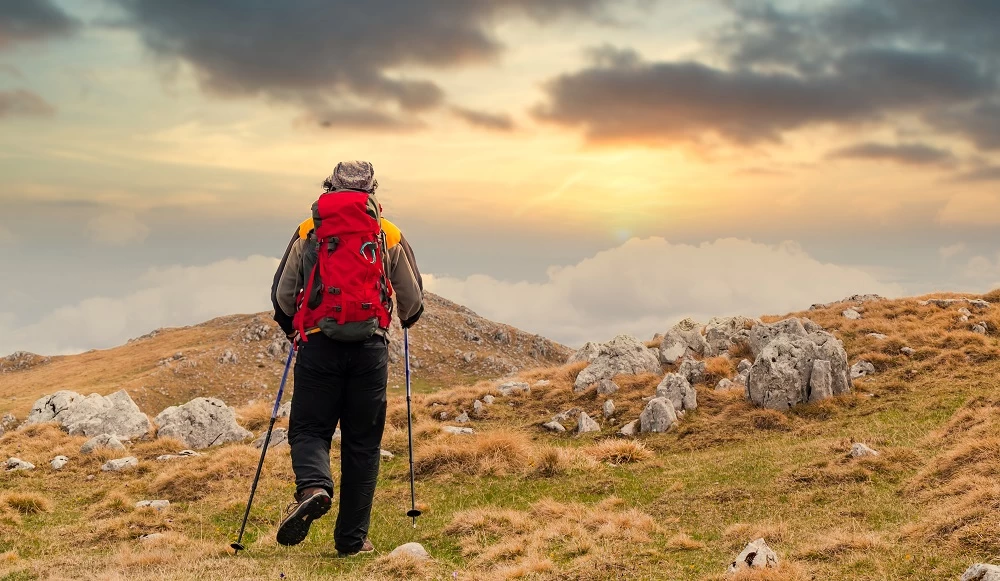
Hiking and trekking overlap, but the experience can be quite different. Hiking in Ladakh generally works well for shorter outings. You may spend a few hours on a trail, explore a village or valley and return to your accommodation the same day. It is a useful choice if walking is one part of a larger Ladakh holiday.
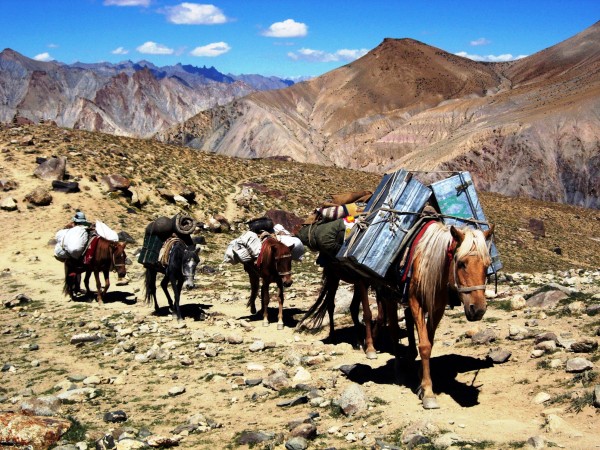
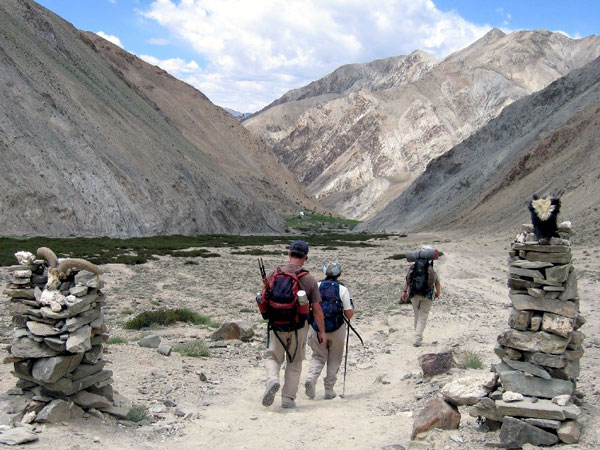
Trekking usually means committing more time to the trail. A route may continue for several days and involve camping or homestays, long walking days, mountain passes and remote stretches where facilities are limited.
Think about the trip you actually want. A first-time visitor with limited time may enjoy a shorter hike. Someone who wants to spend several days away from the main roads may be better suited to a dedicated trek.
Short trails around villages and valleys provide an easier introduction to walking in Ladakh. You can see fields, traditional houses, streams and mountain slopes without committing to a week long route.
These walks can also bring you closer to everyday Ladakhi life. That is something a sightseeing vehicle cannot quite offer.
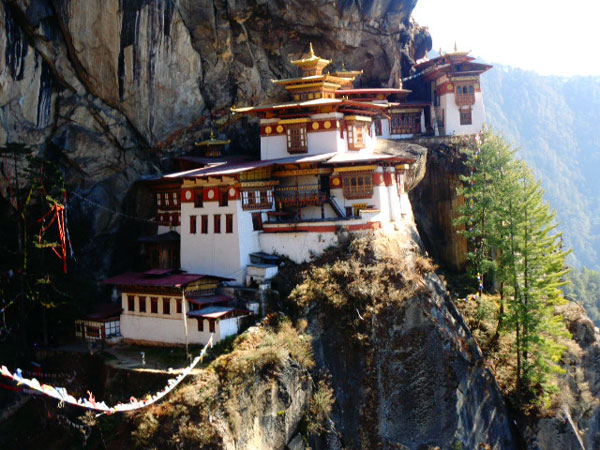
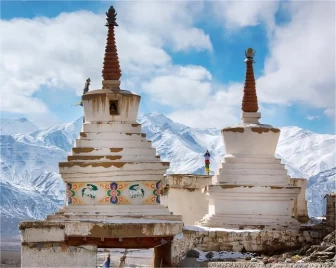
Walking between monasteries, settlements and surrounding trails adds a cultural element to the experience. Instead of treating a monastery as a quick sightseeing stop, you have time to notice the landscape and settlements around it.
Keep the altitude in mind, though. A short uphill walk in Ladakh can feel surprisingly tiring during the first few days.
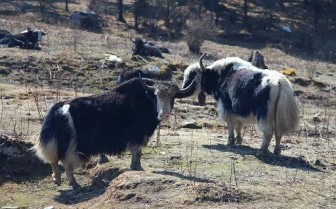
Valley trails and shorter nature walks are another option for travellers who want some time outdoors without giving several days to trekking. Depending on the route, you may encounter streams, wildlife habitats, mountain villages and wide open landscapes.
Overland Escape also lists shorter trekking routes such as the Gyamtsa to Murubrok route, described as a moderate to difficult day trek lasting around seven to eight hours.
The Markha Valley Trek is one of the better-known choices for Leh Ladakh Trekking Tours. The route brings together villages, monasteries, mountain scenery and high passes.
Overland Escape lists the Markha Valley Group Trek as a 6-night, 7-day experience, with Kongmaru La reaching approximately 5,100 metres. The trek is rated moderate on its current trekking page.
It suits travellers who want a proper multi-day Himalayan trekking experience without immediately moving into the most demanding expedition-style routes.
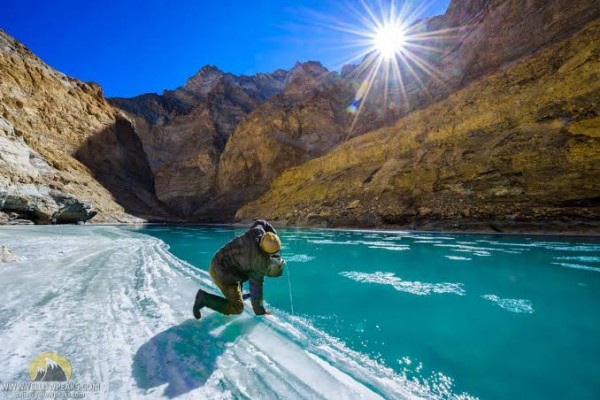
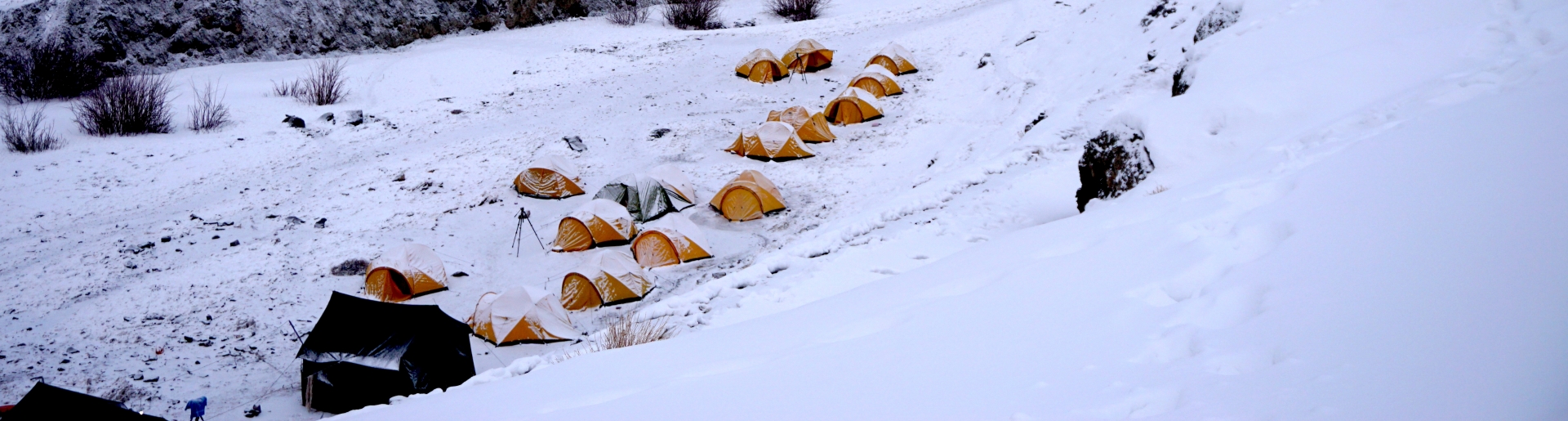
The Chadar Trek is unlike a conventional summer trek. The route follows the Zanskar River during winter when freezing conditions create a suitable ice trail.
Overland Escape currently lists its Chadar Trek group departure as 7 nights and 8 days, with January and February shown as the best period.
This is a serious winter trek. Cold temperatures, changing ice conditions and difficult terrain mean that preparation, suitable equipment, acclimatisation and experienced support matter.
Travellers looking for a shorter multi-day route can consider the Zingchen to Stok Trek. Overland Escape lists it as a 2-night, 3-day trek with Stok La at around 4,900 metres.
The route focuses on nature, wildlife, villages and local life, with homestay or camping accommodation. Its physical challenge is listed as moderate.
The Likir to Temisgam route offers a different side of Ladakh, combining villages and monasteries rather than focusing only on high-altitude challenge.
Overland Escape lists this as a 3-night, 4-day trek, with Charatse La at approximately 3,650 metres and an easy physical rating.
That makes it worth considering for travellers who want a gentler introduction to multi-day trekking.
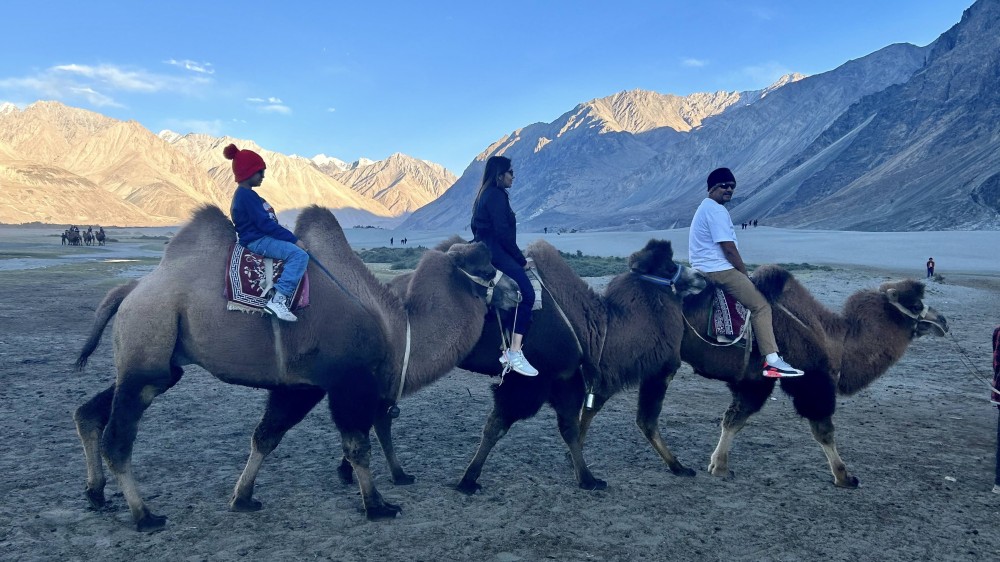
Nubra offers several trekking possibilities for travellers interested in remote villages, mountain passes and the valley's distinctive landscape.
The Saboo to Khaltsar trek, for example, is listed as a 5-night, 6-day camping trek with Digar La reaching around 5,250 metres. Overland Escape describes its focus as monasteries, villages and high mountain landscapes.
Other routes include Phyang to Hunder and Saspotse to Skuru in Nubra, both involving high passes and remote settlements.
This is better suited to experienced trekkers. The route combines high altitude landscapes, wildlife, nomadic communities and lakes.
Overland Escape lists the Rumtse to Tsomoriri Trek as an 8-night, 9-day camping trek, with Shibuk La reaching approximately 5,016 metres. It is rated challenging.
Another demanding option is the Tso Moriri to Kibber Trek. The route takes trekkers through remote mountain terrain, high passes and lake landscapes.
The listed duration is 8 nights and 9 days, with Parang La reaching approximately 5,588 metres. The route is classified as challenging, so it is better suited to trekkers with previous high-altitude experience.
There is no single trekking season for every route. Overland Escape lists many conventional trekking routes between June and September, while some lower altitude routes have broader seasonal windows. Its Markha Valley Group Trek is listed from March to November, while routes such as Chumathang to Yaya Tso and Rumtse to Tsomoriri are listed for June to September.
Winter is a different story. The Chadar Trek is specifically listed for January to February and depends on suitable freezing conditions.
Always check the current trail, weather and road conditions before travelling. Mountain conditions can affect an itinerary.
Altitude deserves serious attention. Leh itself sits at a high elevation, so arriving and immediately starting a strenuous trek is not a sensible approach.
Give your body time to acclimatise before taking on demanding trails. Start gently, drink enough water and pay attention to how you feel.
Fitness matters too. Regular walking, stair climbing and cardiovascular training before your trip can help prepare you for several hours of movement each day. Longer treks require more stamina than a normal sightseeing holiday.
Your operator should also be able to explain the route, daily walking expectations, highest pass, accommodation, meals, guide support and transport arrangements.
Your exact packing list depends on the route and season, but sturdy trekking shoes, warm layers, sun protection, sunglasses, water, a suitable backpack and personal medication are useful basics.
A waterproof outer layer can be helpful when weather changes unexpectedly. Longer camping routes may also require sleeping equipment and other trekking gear, depending on what the operator supplies.
Do not pack purely for daytime temperatures. Mountain mornings and nights can be considerably colder.
A low price or attractive itinerary does not automatically make a trekking package suitable for you.
Before booking Ladakh Trekking Tour Packages, check:
Overland Escape's trekking page lists a wide range of routes with details such as duration, highest point, best period, accommodation style and physical challenge. That makes it easier to compare a shorter moderate trek with a longer high altitude route before making a decision.
A trekking company should offer more than a route on a map. Local knowledge matters when trails, weather and mountain conditions can affect the day's plan.
Overland Escape states that its trekking and hiking programmes cater to different experience levels and are led by local guides familiar with Ladakh's terrain and traditions. Its listed trips include camping and homestay options, while the company also highlights support with logistics and accommodation.
That combination is useful when you want to concentrate on the trail rather than trying to arrange every logistical detail yourself.
The best trek in Ladakh is not necessarily the highest or longest one. It is the route that fits your ability and the kind of experience you want.
A shorter trek can introduce you to villages, monasteries and mountain landscapes without taking over your entire holiday. A demanding route through Zanskar or across a high pass is a different proposition altogether.
Take your fitness, acclimatisation time, travel dates and experience seriously. Then choose a trail that feels challenging without being reckless.
Explore Overland Escape's trekking and hiking options and find a Leh Ladakh Trekking Tour that matches the way you want to experience the mountains.
Markha Valley, Chadar, Zingchen to Stok, Likir to Temisgam, Nubra Valley and longer Zanskar routes are among the popular trekking options. The right trek depends on your fitness, experience and travel dates.
Yes, but beginners should choose a route according to their fitness and previous trekking experience. Shorter and lower difficulty routes can be a better starting point than demanding high altitude treks.
June to September is generally suitable for many conventional Ladakh trekking routes, although the ideal period varies by trail. The Chadar Trek is a specialised winter experience and requires suitable ice and weather conditions.
Yes. Ladakh's high altitude means you should allow your body time to adjust before starting strenuous trekking. Your itinerary should include suitable acclimatisation time.
Sturdy trekking shoes, warm layers, sunglasses, sunscreen, water, a suitable backpack and personal medication are useful essentials. Longer camping treks may require additional equipment depending on what your operator provides.
Compare the trek's duration, difficulty, highest altitude, daily walking distance, accommodation, meals, guide support and equipment before booking. Choose a route that matches your experience rather than simply selecting the longest or most challenging option.



 Activities