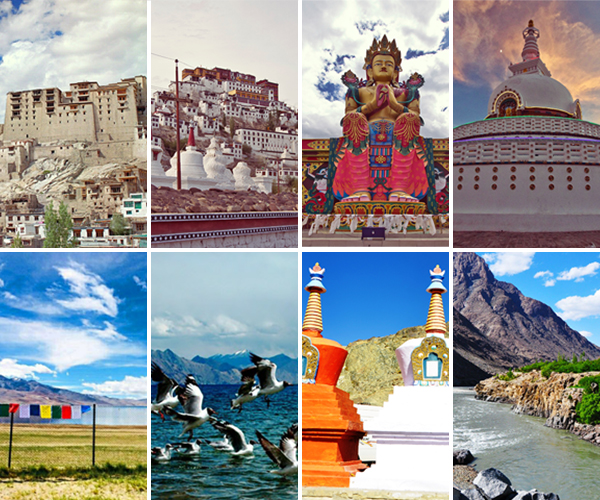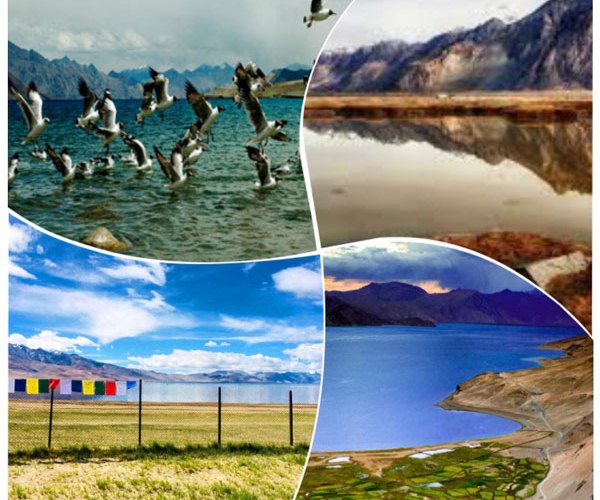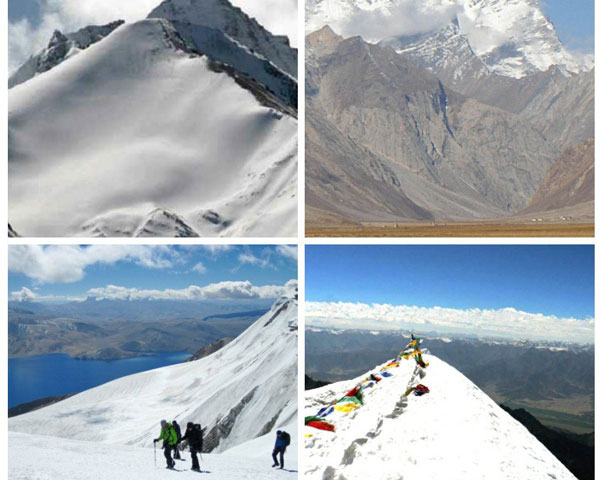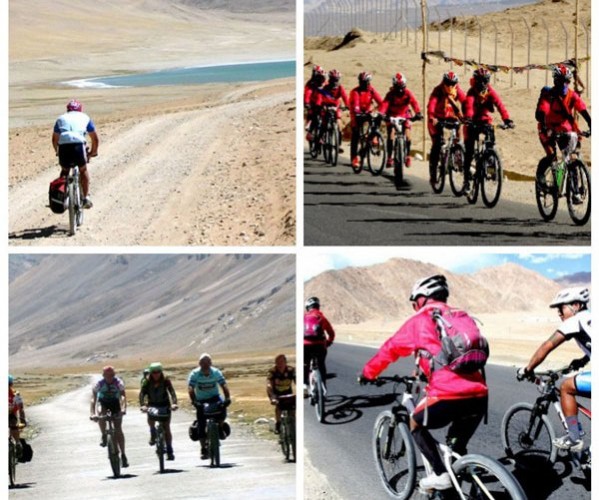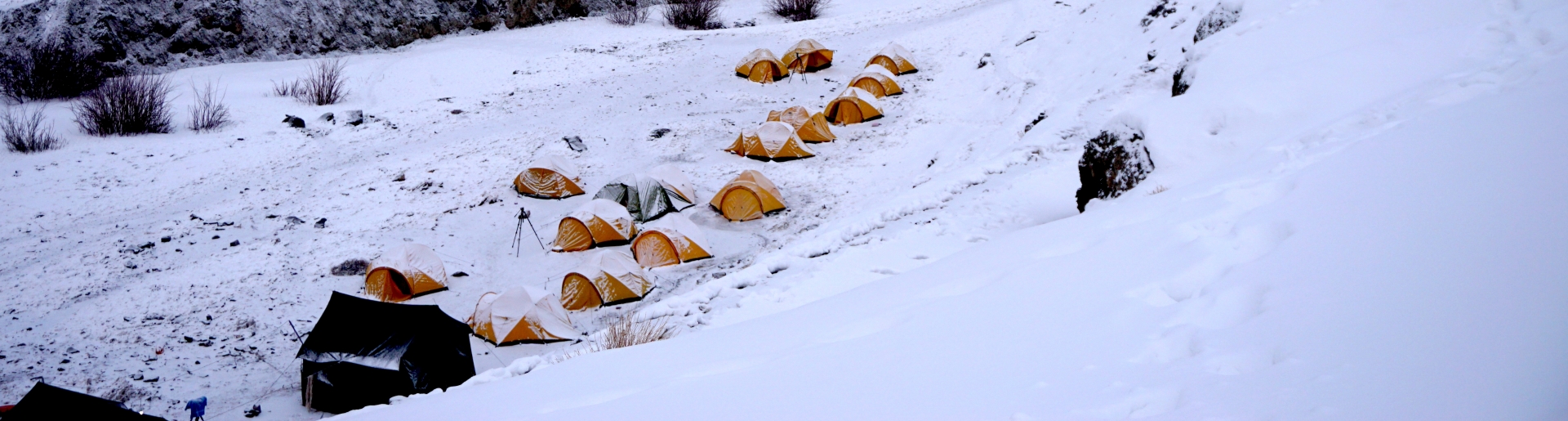
A climbing expedition is rarely as simple as reaching a mountain and beginning the ascent. There is usually a long approach, time spent at base camp, equipment to organise and a fair amount of waiting for the weather to cooperate. In Ladakh, these arrangements become even more important because most climbing objectives involve considerable altitude and remote terrain.
The region has several mountains that attract climbers from India and abroad. Some are accessible through routes near Leh, while others require extended journeys into the Markha Valley, the Rupshu plateau or the Zanskar range. The difference between these expeditions is not just their height. The terrain, technical requirements and support needed along the way can be quite different.
For anyone planning a climb, here is what to understand before choosing an expedition through Overland Escape.
One thing that often surprises first-time visitors is how quickly the landscape changes outside Leh. Roads give way to narrow trails, settlements become less frequent and access to medical facilities becomes limited. Once an expedition moves towards a remote base camp, even basic arrangements such as food supplies and equipment transport need advance planning.
Altitude is another consideration. Leh itself is at approximately 3,500 metres, so climbers are already starting from a relatively high elevation. A few days of trekking do not automatically mean the body is ready for a summit above 6,000 metres.
This is why a Mountaineering Tour in Indian Himalaya needs to be planned around the climber's experience, not just the advertised summit height. Fitness, technical training and the ability to handle changing mountain conditions all influence the choice.
Overland Escape's mountaineering collection covers several climbing objectives. Rather than treating them as interchangeable summit options, it helps to understand what makes each route different.
Both peaks are located relatively close to Leh. Go-Leb Kangri is approached through Stok and Mankarmo, while Matho West follows a route beginning around Martselang and Chogdo.
Their shorter expedition schedules can appeal to climbers who cannot spend several weeks in Ladakh. However, the final climbing sections still require appropriate skills and preparation. The approach may involve trekking, but the summit attempt is a different undertaking.
The Markha Valley provides access to Kangyatse, one of the better-known climbing areas in Ladakh. The lower and higher summit objectives have different technical requirements.
The higher summit involves more demanding climbing and glacier terrain. Anyone enquiring about this mountain should confirm which summit is included in the itinerary and what previous experience is expected.
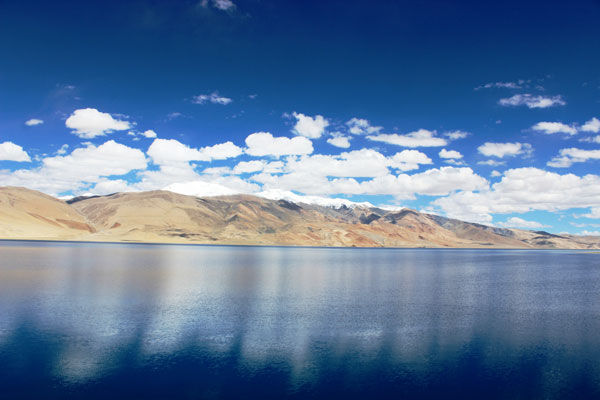
These mountains are approached from the Tso Moriri and Rumtse side of Ladakh. Mentok Kangri lies near Korzok, while Spangnak Ri involves a longer approach through the Rumtse region.
The surroundings are remote, and expedition planning becomes particularly important once the team moves away from the main road network. Food, luggage movement, camping supplies and communication arrangements should all be discussed beforehand.
These are much larger expedition objectives in the Zanskar Himalayas. With elevations above 7,000 metres, they require substantially more experience than shorter climbing programmes around Leh.
Their longer expedition schedules also mean that preparation cannot be limited to physical training. Climbers need familiarity with technical equipment, sustained high-altitude activity and extended stays in expedition camps.
Overland Escape's published listings provide different itineraries for these mountains, ranging from shorter climbing programmes to expeditions lasting approximately four weeks
An important correction for climbers researching older itineraries: Stok Kangri should not be considered an available expedition at present. The District Leh administration issued an order for permanent closure of expeditions at the peak on 19 December 2023. Check for an official reopening notification before making any plans.
A route description can make a mountain appear straightforward, but the details often tell a different story.
For example, an approach through the Markha Valley involves walking through villages, crossing streams and gradually gaining altitude before reaching the climbing area. A route towards Tso Moriri has a different logistical character, particularly when the expedition involves remote camps.
Before deciding on a peak, look at three things.
First, understand how many days are spent approaching the mountain and how many are reserved for the actual ascent. Second, check the technical sections and equipment required. Finally, ask how the team plans to respond if poor weather changes the summit schedule.
A well-planned expedition should allow enough flexibility for mountain conditions. Reaching the summit should never take priority over the safety of the team.
There is no single cost that applies to every Ladakh climbing trip. The difference between a short expedition and a multiweek climb is considerable.
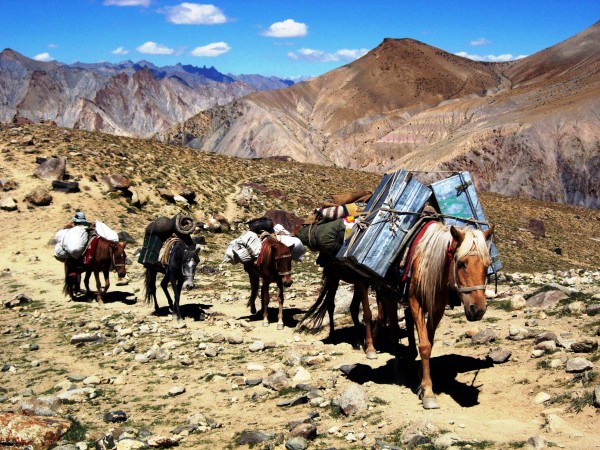
Transport, accommodation, base-camp arrangements, meals and support staff are some of the main components. Remote approaches may require horses or other luggage support, while technical climbs involve additional equipment and experienced climbing personnel.
Permits also form part of the expenses. Under Ladakh's Mountaineering Policy 2024, permit charges vary according to peak elevation, team category and group size. The policy also requires registered Mountaineering Tour Operators to obtain permission for each expedition in advance.
When requesting a quotation from an operator, check whether it covers climbing equipment, guides, insurance, permits, accommodation before and after the expedition and emergency arrangements. Personal clothing and specialist footwear may need to be purchased separately.
Overland Escape offers different expedition formats, so the most useful approach is to request a breakdown for the particular mountain you intend to climb.
A climbing expedition begins well before the first day on the mountain.
Regular uphill walks, endurance training and strength exercises can help prepare your body. For technical routes, however, you also need practical experience with equipment such as crampons, ice axes, harnesses and ropes.
Acclimatisation deserves just as much attention. The Ladakh Tourism Department currently advises all visitors arriving in Leh to take at least 48 hours of complete rest before travelling to higher-altitude areas. A mountaineering route requires additional acclimatisation according to its elevation profile.
The 2024 Mountaineering Policy also sets requirements for guide qualifications, first-aid training, communication systems and emergency response arrangements. It specifies the need for first-aid equipment, oxygen support and a planned evacuation procedure at base camp. Before booking, ask the operator who leads the climb, what technical support is provided and how an emergency would be handled. These are details worth understanding before arriving in Ladakh.
Overland Escape offers mountaineering programmes across several Ladakh climbing areas. Its published expedition arrangements include transportation, guides, camping, meals, cooks, helpers, luggage support, permits and climbing equipment, depending on the selected package.
The choice of mountain should come before the choice of itinerary. Discuss your previous climbing experience with the team and ask for details about the approach, summit schedule and equipment requirements.
You can explore the Mountaineering in Ladakh expeditions by Overland Escape to review the available options.
For anyone planning a serious climb, having these conversations beforehand is much more useful than deciding on a mountain based only on photographs or elevation.
Go-Leb Kangri, Matho West, Kangyatse, Mentok Kangri and Spangnak Ri are among the climbing objectives listed by Overland Escape. Mount Kun and Mount Nun require more extensive experience.
Several expeditions take place between June and September. The preferred season varies by mountain, and actual summit conditions depend on weather and snowfall.
It depends on the route. Technical climbs require suitable training and previous mountaineering experience. Regular trekking fitness alone is not sufficient preparation for every summit.
Yes. Expeditions must follow the Ladakh Mountaineering Policy 2024 and obtain the required permissions through the prescribed process.
Some climbing programmes last around five or six days, whereas Mount Kun and Mount Nun expeditions can take approximately four weeks.
Check the route, technical difficulty, acclimatisation schedule, guide qualifications, equipment, permits, insurance and emergency arrangements. Also request a clear list of package inclusions.
A mountain should be chosen for the experience and challenge it offers, but also for what a climber is genuinely prepared to handle. There is plenty to explore in Ladakh, whether the objective is a shorter climb near Leh or an extended expedition in the Zanskar region.
Take the time to understand the route, ask questions about the arrangements and choose an itinerary that leaves room for changing conditions. Those decisions will have a far greater influence on the expedition than simply choosing the highest summit on the list.



 Activities