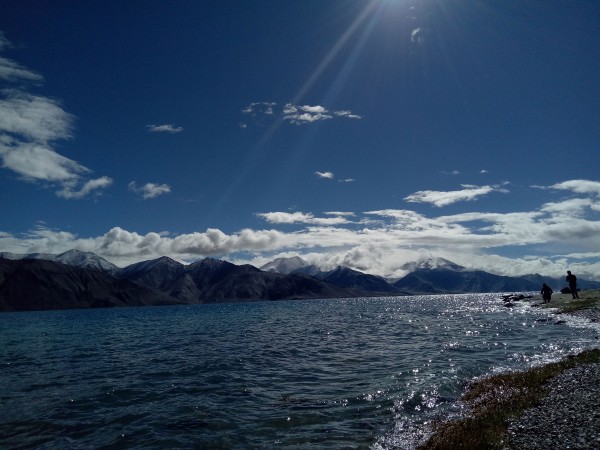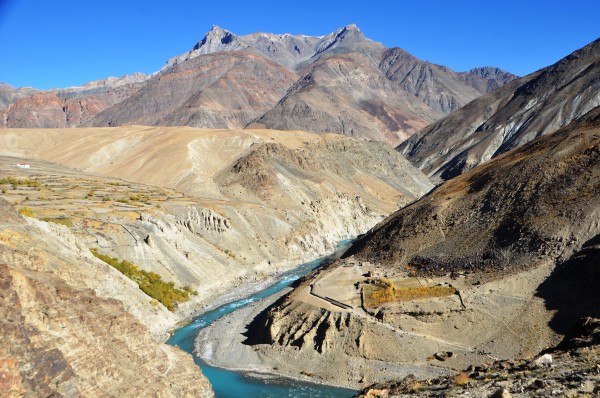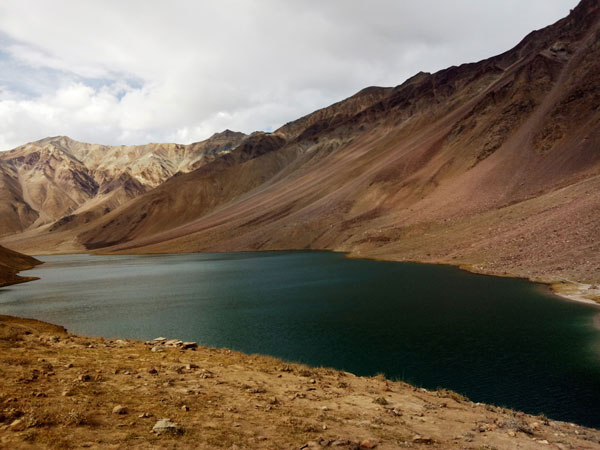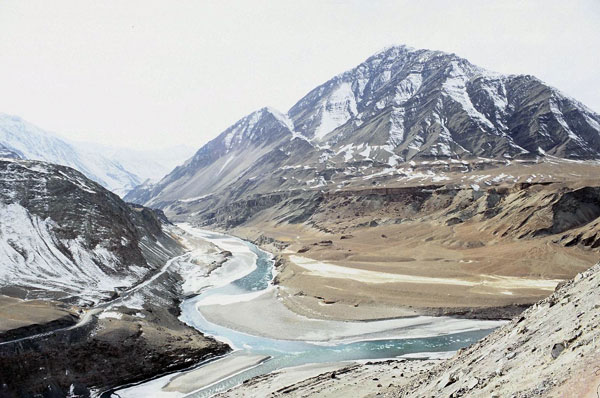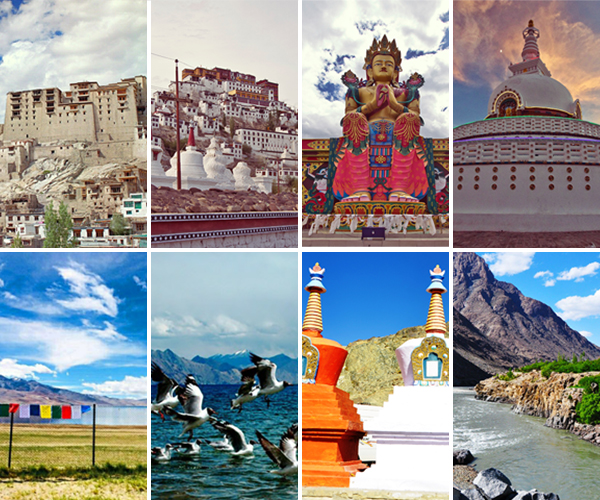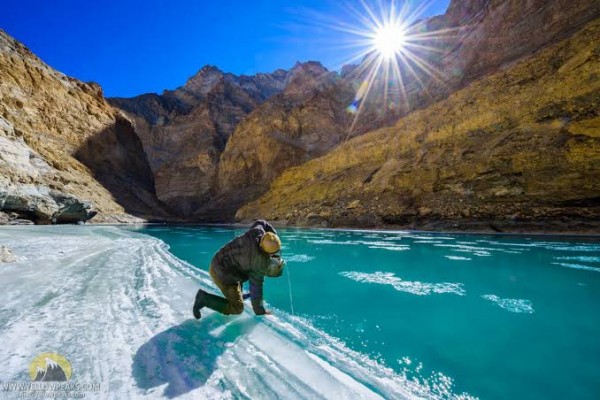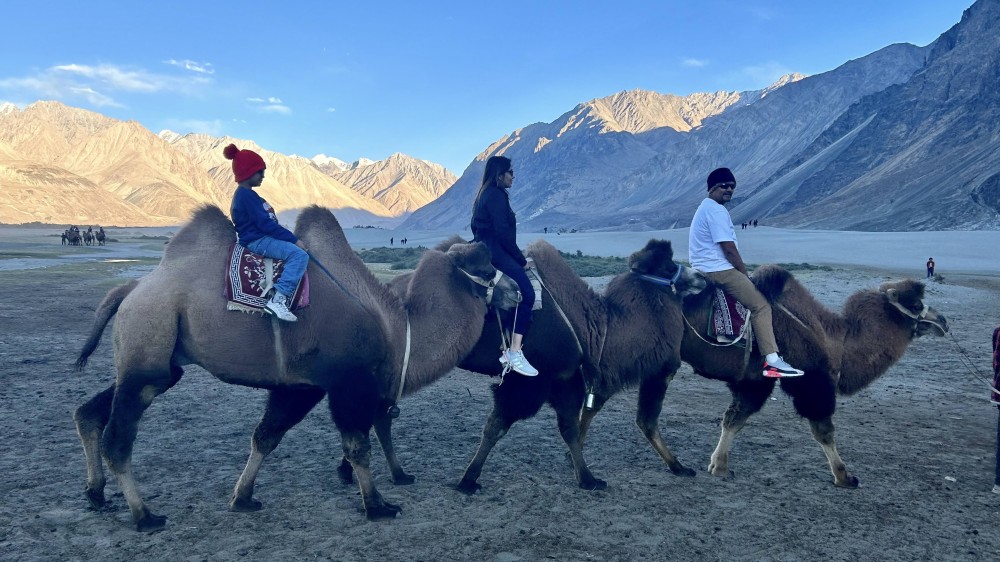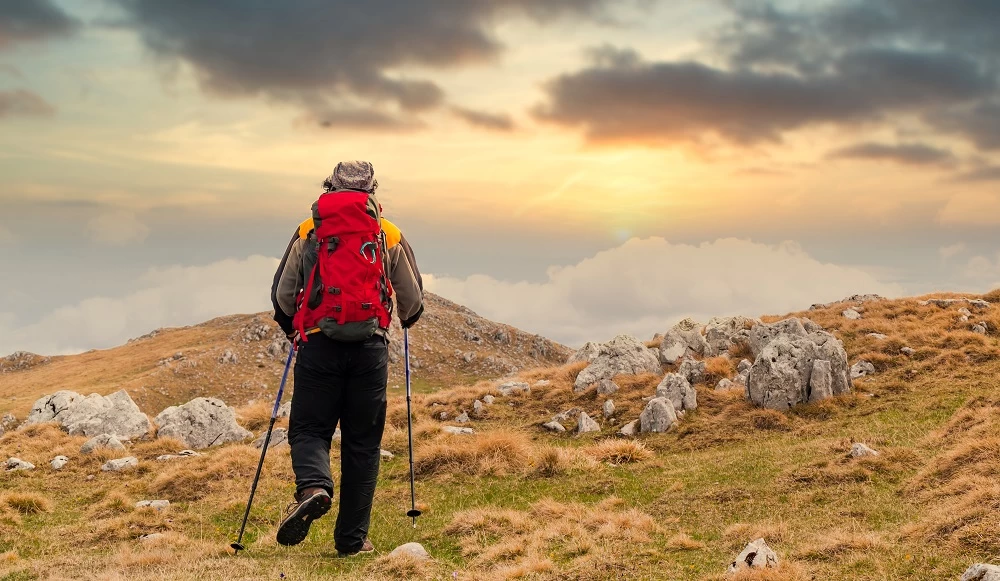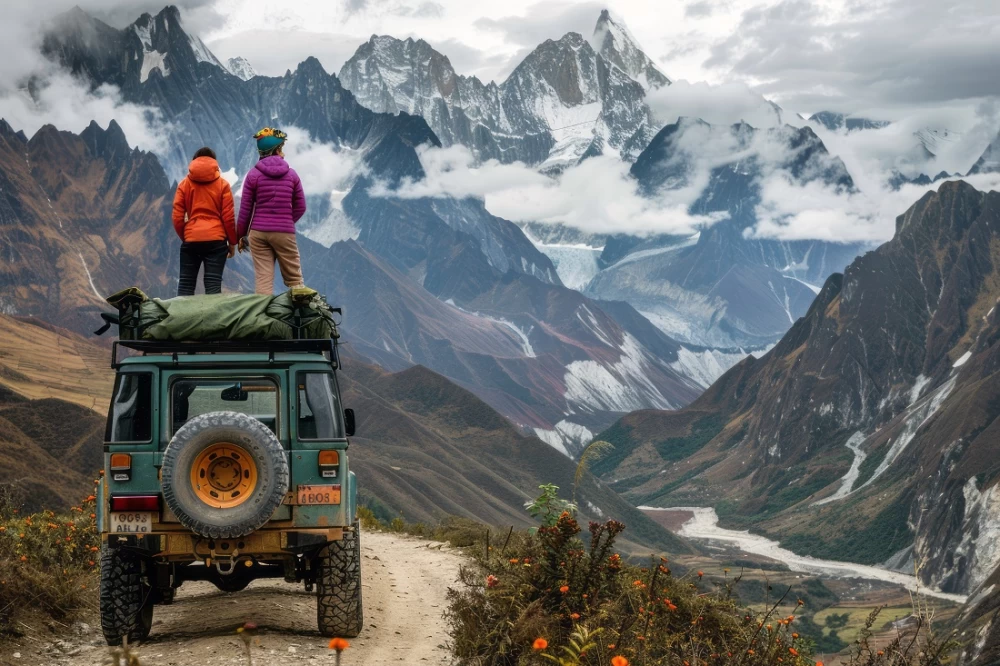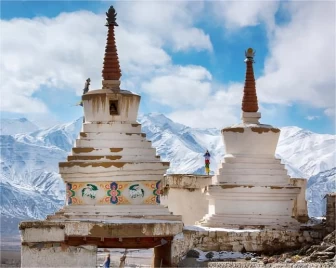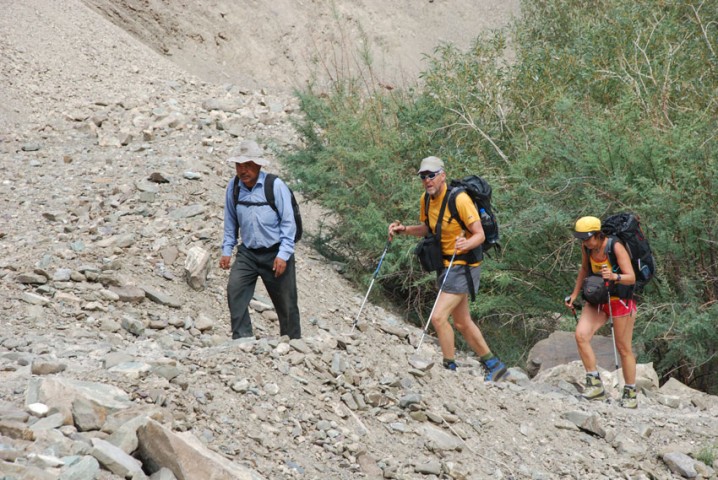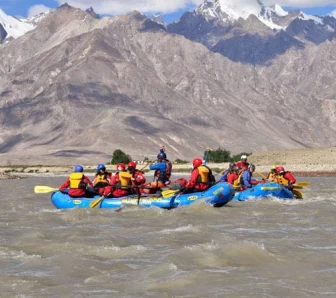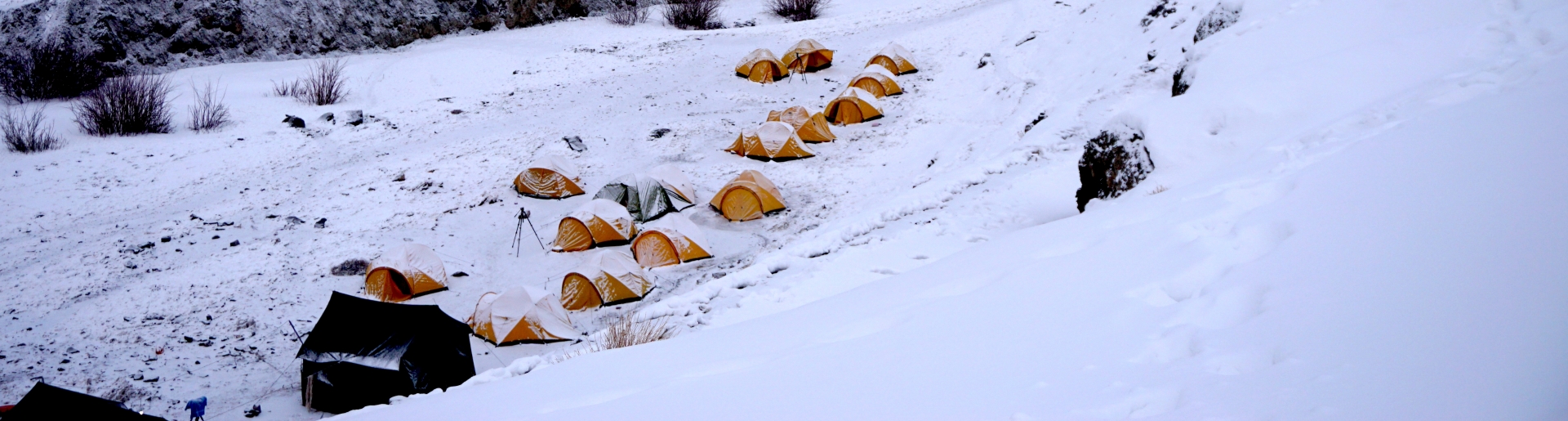
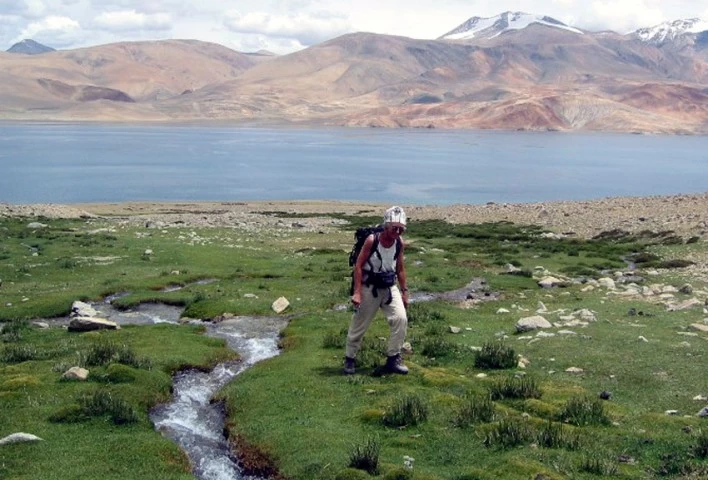
Step away from the familiar roads around Leh and the landscape changes. Valleys open into wide, dry plateaus, streams cut through rocky ground, and the mountains seem to stretch to the end of the horizon. The Rumtse to Tso Moriri Trek takes you through this quieter side of Ladakh, shaped by high passes, remote campsites and the blue water of Tso Moriri at the end.
No two days look the same. Some stretches are steady climbs, while others cross open ground with little shelter from the wind. What you get in return is the scenery, a huge sense of space and a chance to see Ladakh beyond its easier sightseeing routes.
A little preparation goes a long way here. Know the route, pick sensible dates and give yourself enough time to adjust to the altitude, and the trek becomes far more manageable.
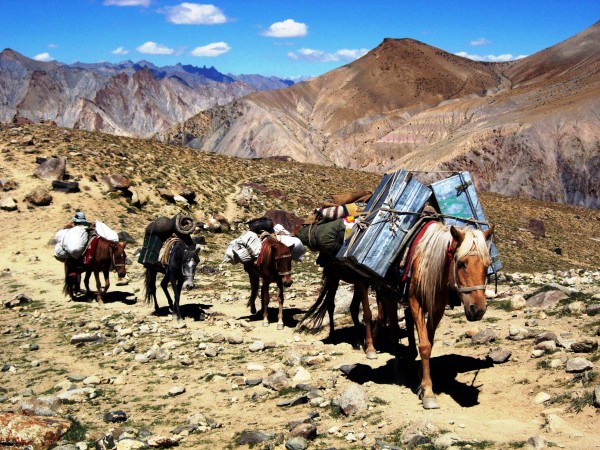
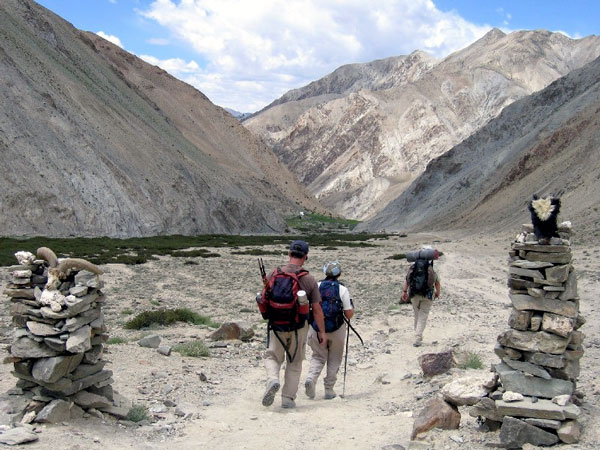
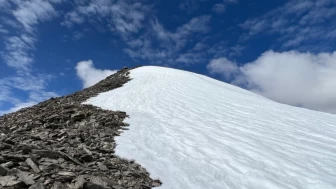
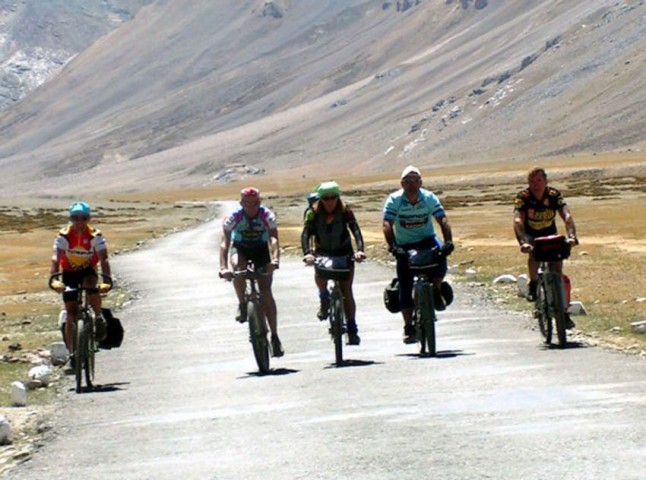
The trek crosses the Rupshu region of Ladakh and the high-altitude Changthang Plateau. The terrain is dry and open, with rocky hills, broad valleys, grazing grounds and the odd stream. Unlike a forest trek, where trees fill the view, this route gives you big mountain scenery and long stretches of exposed ground.
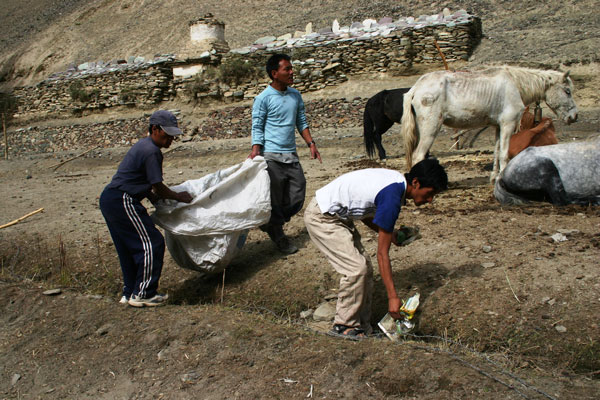
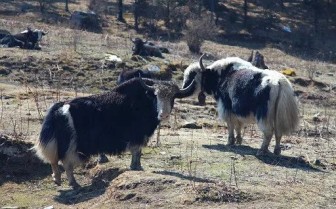
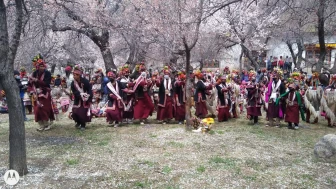
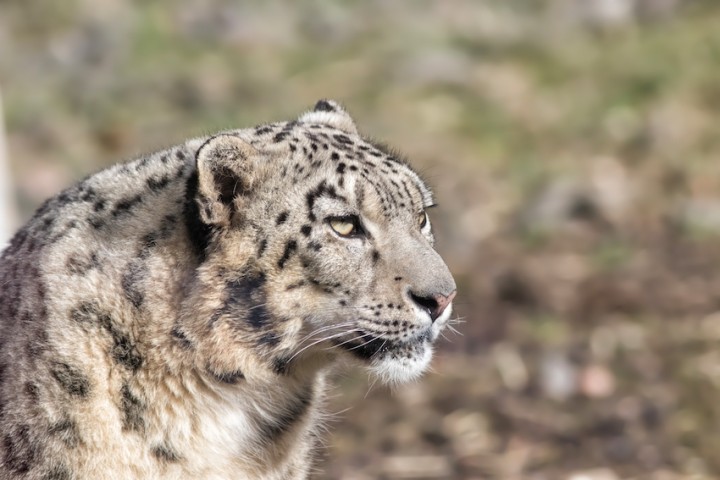
You may also see some of the region’s wildlife and pastoral culture. Depending on where you are and the season, you might spot kiang, the Tibetan wild ass, or other high-altitude animals. Parts of the wider region are used by Changpa pastoral communities, whose traditional livelihoods are closely tied to the high grazing grounds.
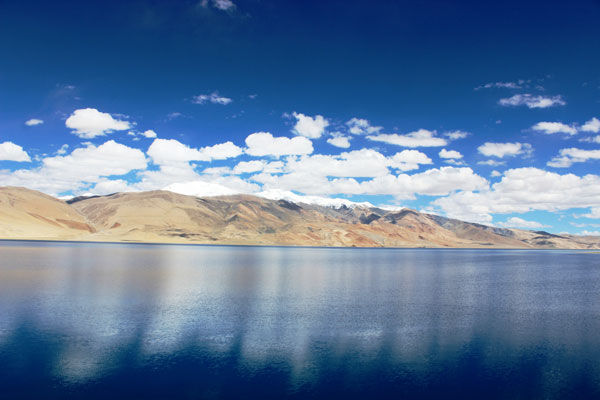
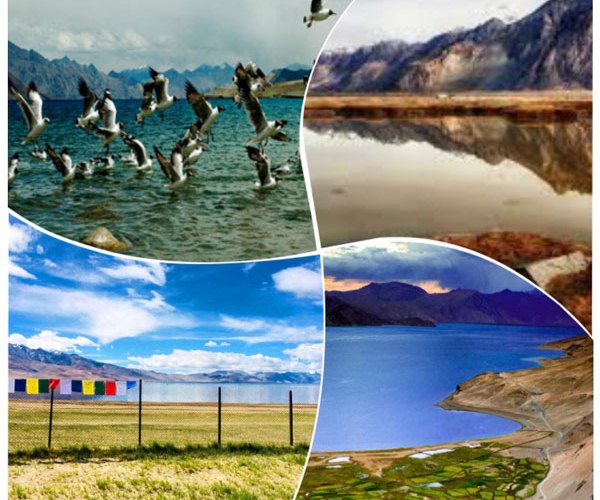
Tso Kar, another notable lake in the area, is known for its salty water and birdlife. The final destination, Tso Moriri, is a high-altitude lake near Korzok village. Its deep blue water and the mountains around it stand out sharply against the dry country you’ve crossed.
Wildlife sightings and meetings with local communities depend on the route and the circumstances. The landscape, though, is a big part of the experience on its own.
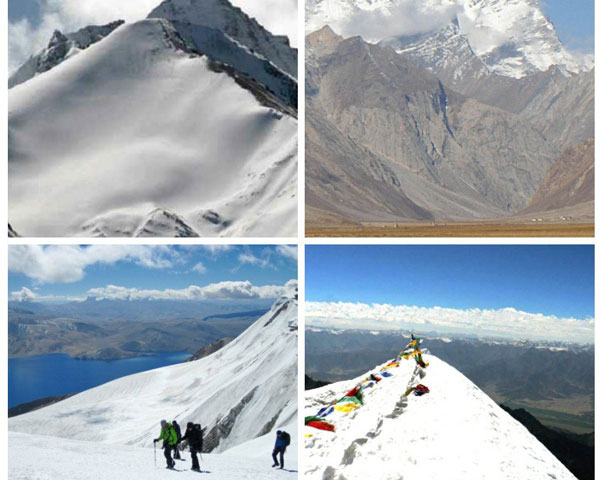
The trek starts at Rumtse, a settlement on the Leh-Manali Highway, and heads across high-altitude valleys towards Tso Moriri. Expect rocky trails, steep sections, mountain passes and remote campsites. Some stretches can feel tough because of the altitude, even when the distance looks manageable.
A typical route may include:
The exact order, daily distances and number of trekking days depend on the itinerary you choose. Confirm the latest route and campsite arrangements with the operator before booking, rather than relying on a generic day-by-day plan.
Overland Escape names June to September as the main trekking season for this route. Conditions are generally better for high-altitude trekking in these months, though the weather can still change fast. Snow on the higher passes, cold nights and strong winds are all possible.
June can bring fresh mountain scenery, but some sections may still have snow or shifting trail conditions. July and August are popular for trekking in Ladakh, while September is cooler and may bring early snowfall at higher elevations.
The right month depends on what you want and how that particular year turns out. Before you lock in dates, ask about pass accessibility, recent weather, campsite conditions and any changes to the planned itinerary.
Winter isn’t a simple alternative. Severe cold and difficult access can make this remote route unsuitable for a standard trek.
Think of it as a moderate-to-challenging high-altitude trek, which is how Overland Escape describes it in its published FAQs. The difficulty comes from more than the distance you cover each day.
Several things make it demanding:
Previous trekking experience and good general fitness help. Start training well before you leave, with regular walks, uphill practice and cardio. If you’re worried about exercising at altitude, talk to a doctor before you travel.
Acclimatisation deserves particular attention. Leh itself is high, and the trek climbs to terrain that is considerably higher. Arriving and starting hard exercise straight away is not a sensible plan.
Give yourself time to adjust before the trek begins, ascend gradually and listen to your body. A headache, nausea, dizziness or unusual tiredness can be signs of altitude illness. Severe or worsening symptoms need prompt medical assessment and, when advised, a descent. Don’t keep climbing just to stick to a schedule.
Your packing list needs to cover both the physical demands and the unpredictable weather. The essentials:
Check what the operator supplies before you pack. Duplicate gear adds weight for nothing, while leaving out essential cold-weather kit can make remote camps uncomfortable or even unsafe.
Permit requirements for the Rumtse to Tso Moriri Trek depend on the route and the rules applicable to the traveller. Overland Escape states that permits are required for this trek and notes that additional permissions may be needed for restricted or protected areas. Requirements can differ for Indian and foreign visitors, so confirm the documents, fees and application arrangements with the operator before departure. Do not assume that a permit for one area automatically covers the entire trekking route.
Before booking, confirm these details:
Asking these questions shows you the practical side of the trip, not just the headline itinerary or the advertised price.
Overland Escape shares information on the Rumtse to Tso Moriri trekking route, including the recommended season, difficulty level, packing requirements, and accommodation options. If you’re considering the trek, treat these details as a starting point and confirm the current itinerary directly with the operator.
This trek suits people who want to see Ladakh on foot and are ready for remote, high-altitude terrain. It takes patience, sensible planning and respect for local conditions, and a flexible schedule helps a lot when the weather or trail changes.
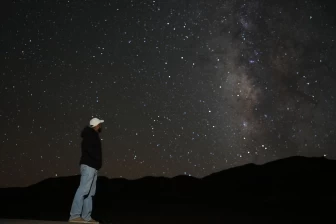
The most memorable moments may not be the hardest climb or the highest viewpoint. They could be a quiet campsite under an enormous sky, animals grazing across an open plain, or your first look at Tso Moriri after days of walking through the mountains.
It depends on the itinerary, your pace and the acclimatisation plan. Ask the operator for the full schedule, including travel to Rumtse, the trekking days and the return journey after Tso Moriri.
Overland Escape recommends June to September. Weather and trail conditions vary, so confirm that the high passes are open for your dates.
It’s a moderate-to-challenging high-altitude trek, with uneven trails, mountain passes and remote campsites. Good fitness and preparation are recommended.
It helps, especially for long walking days and steep climbs. Beginners should assess their fitness honestly and talk through the route’s demands with the operator before booking.
Yes. The route reaches high elevations, where altitude illness is a serious risk. Allow time to acclimatise and follow proper medical guidance before and during the trip.
Camping is common on the remote sections, and basic guesthouses or homestays may be available in some villages. Confirm which arrangements and equipment your package includes.
It depends on current local regulations and your route. Confirm the documents, fees and arrangements with Overland Escape before you travel.
The wider region is home to high-altitude wildlife, including kiang and other mountain-adapted species. Sightings depend on the season, the location and a bit of luck, so never count on them.



 Activities