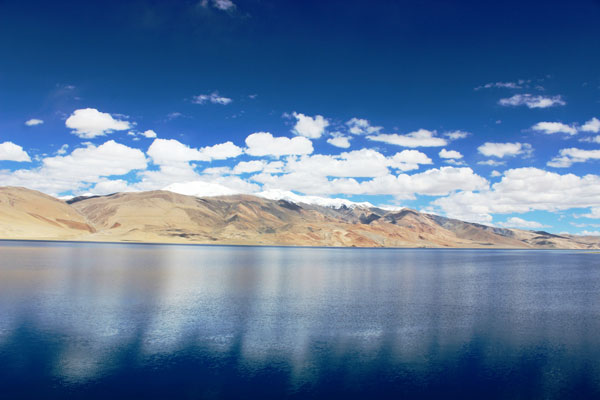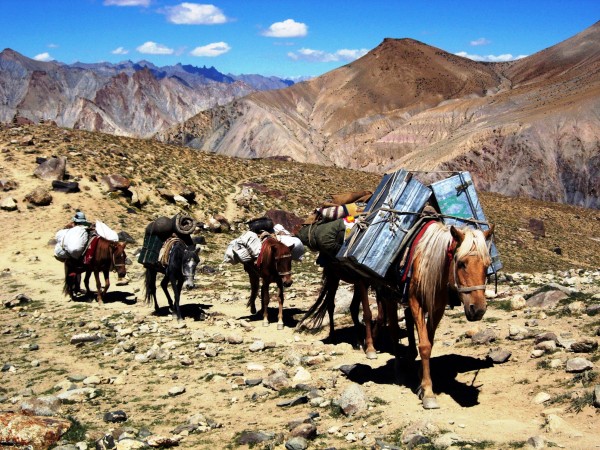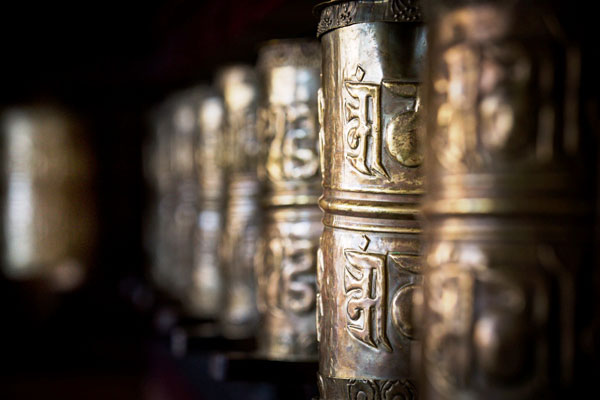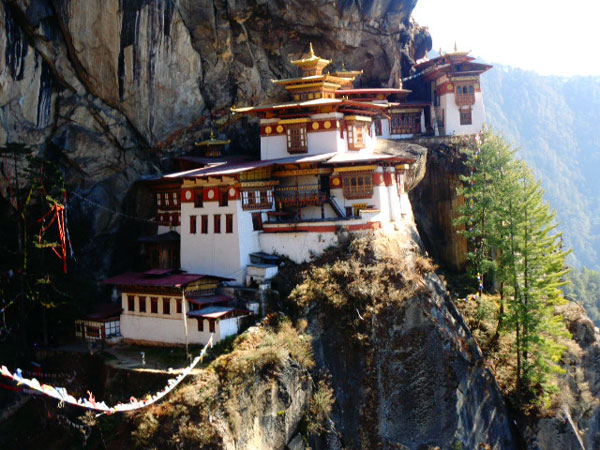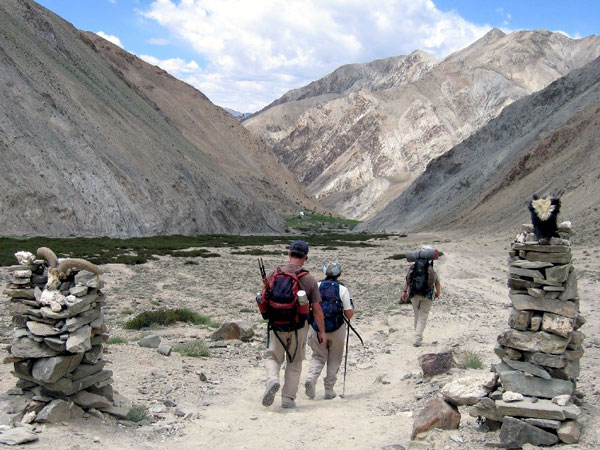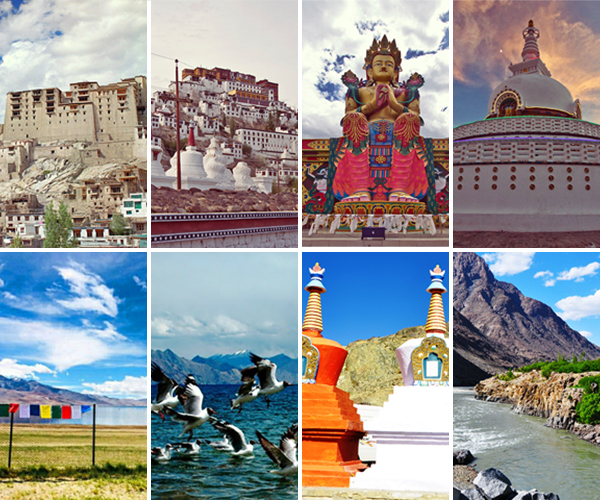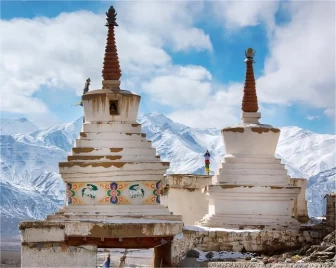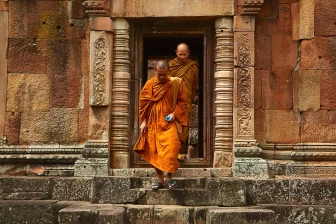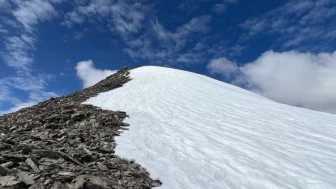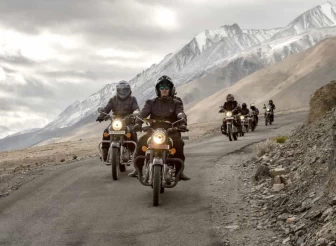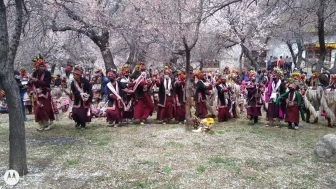
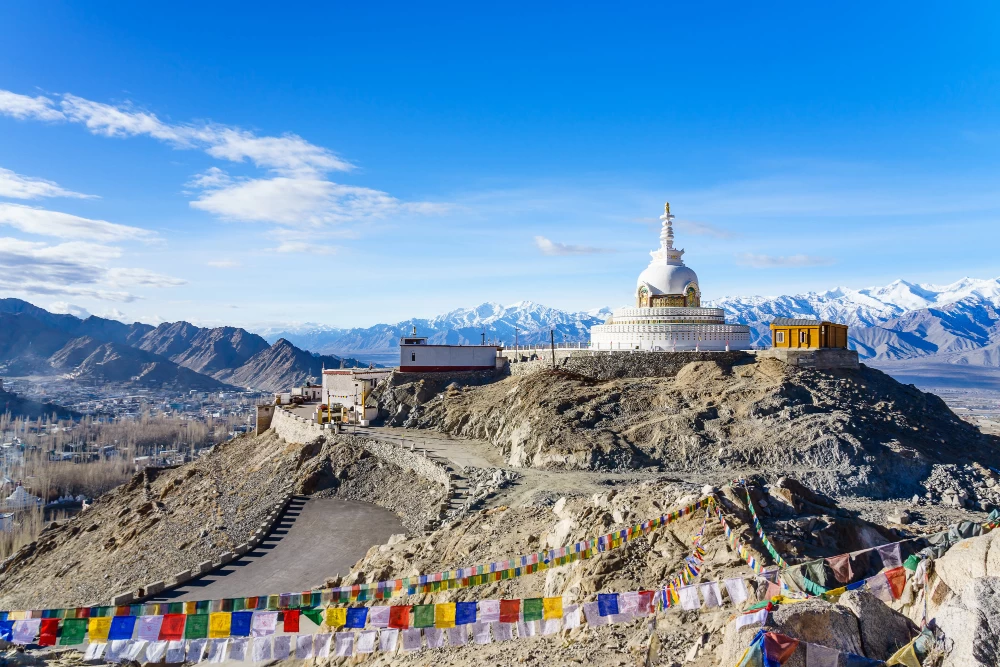
Ladakh has a way of making you slow down. The mountains feel enormous, the roads stretch on forever, and half the time, the silence says more than words could anyway. Somewhere between crossing high passes and stopping beside those turquoise lakes, you'll start noticing another side of the region worth your time: its monasteries. The monasteries in Ladakh aren't just tourist stops.
They're living places of worship where monks still study, pray, and carry forward traditions that have shaped Himalayan life for centuries. Some perch dramatically on hilltops with whole valleys spread out beneath them; others sit tucked quietly into remote corners of the landscape, easy to miss if you're not looking.
Travellers exploring Ladakh with Overland Escape often find that its monasteries become some of the most memorable stops on the journey. These centuries-old landmarks offer a different perspective on the region, one that goes beyond mountain views and scenic drives.
Every monastery has its own character. Some are known for colourful festivals. Some are known for giant Buddha statues, others for centuries-old murals, or libraries stacked with ancient Buddhist manuscripts. A lot of them also offer views of the surrounding mountains that are worth the trip on their own, even if history or religion isn't really your thing.
Visiting a monastery also gives you a chance to see Ladakh beyond just its landscapes. Watching the daily prayers for a while, or just sitting quietly in the courtyard, often ends up being one of the parts of the trip you remember most.
About 45 kilometres from Leh, Hemis Monastery is the largest and one of the most respected monasteries in Ladakh.
Built back in the 17th century, it belongs to the Drukpa lineage of Tibetan Buddhism and draws visitors from all over the world, year-round.
Inside, you'll find beautifully decorated prayer halls, traditional paintings, ancient relics, and a solid collection of Buddhist artefacts. During the Hemis Festival, the place really comes alive, with masked Cham dances, traditional music, and colourful ceremonies honouring Guru Padmasambhava.
Even outside festival season, Hemis has a calm, unhurried feel that makes it worth the visit on its own.
Highlights
If you've seen photographs of Ladakh's monasteries, there's a good chance you've already seen Thiksey. Built across a hillside around 19 kilometres from Leh, the monastery resembles the Potala Palace in Lhasa. Its white buildings rise one above another, creating one of the region's most recognisable views.
One of its biggest attractions is the impressive 15-metre Maitreya Buddha statue, which occupies two floors of the monastery.
Arriving early in the morning offers a chance to witness monks performing their daily prayers while the first sunlight reaches the mountains.
Why travellers love it
A visit to Nubra Valley feels incomplete without stopping at Diskit Monastery. Standing above the valley, this monastery has been watching over the region for nearly 600 years. The drive itself is rewarding, passing through Khardung La before opening into Nubra's sand dunes and green villages.
The monastery is especially known for its enormous 32-metre Maitreya Buddha statue that faces the Shyok River.
From the top, you'll enjoy wide views across the valley, making it one of the best photography spots in Ladakh.
Don't miss
Unlike many monasteries perched on hilltops, Alchi Monastery sits on relatively flat ground beside the Indus River. It's also one of the oldest Buddhist sites in Ladakh, believed to date back nearly a thousand years.
The monastery is particularly famous for its remarkably preserved murals, wooden carvings, and Kashmiri-influenced artwork that looks very different from what you'll see elsewhere in Ladakh.
Photography's off-limits in a lot of the sections here, which actually lets you take in the artwork without the usual distractions. If Ladakh's artistic heritage interests you at all, Alchi deserves a spot on your itinerary.
Highlights
Lamayuru tends to catch first-time visitors off guard. Sitting on the Leh-Srinagar Highway, it's surrounded by strange rock formations that have earned the area the nickname "Moonland," thanks to how much they resemble a lunar landscape.
The monastery itself goes back to the 11th century and is still an active centre of Buddhist learning today. A lot of travellers just stop here on the way between Leh and Kargil, but it's worth carving out extra time to actually explore the monastery and the viewpoints nearby.
Highlights
The best months to explore the monasteries are between May and September.
During this period:
If you'd like to witness traditional Buddhist festivals, check festival dates before planning your trip, as celebrations vary between monasteries each year.
A little preparation helps make your visit more enjoyable.
Taking your time, instead of rushing from one monastery to the next, usually makes for a far more rewarding trip.
Planning a Ladakh trip is about more than just picking places to visit. Road conditions, permits, travel times, and altitude all need careful thought.
Overland Escape puts together thoughtfully planned Ladakh tours that let you experience the region comfortably while still covering its most iconic sights, including some of the best monasteries in Ladakh. With experienced local support and carefully planned itineraries, you spend less time worrying about logistics and more time taking in everything Ladakh has to offer.
The mountains may be what first brings people to Ladakh, but its monasteries often leave the strongest impression. Each one tells a different story. Some monasteries stand proudly above the valleys, others sit tucked quietly beside a river. A visit to these monasteries shows a side of Ladakh that mountain viewpoints alone can't. Between the old prayer halls, chanting monks, and centuries of history, you begin to understand the region a little differently.
Overland Escape takes care of the travel planning, so you can simply spend your time exploring the monasteries in Ladakh instead of worrying about the logistics.



 Activities