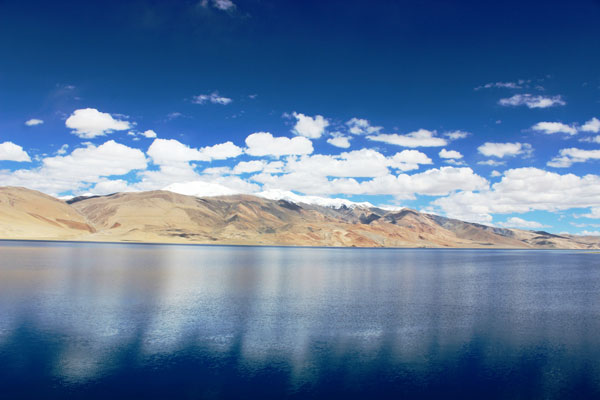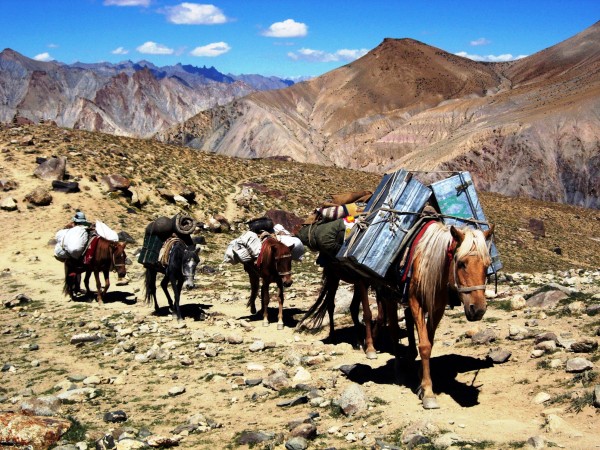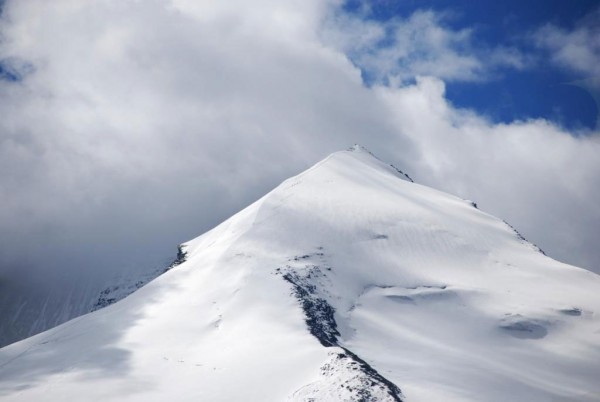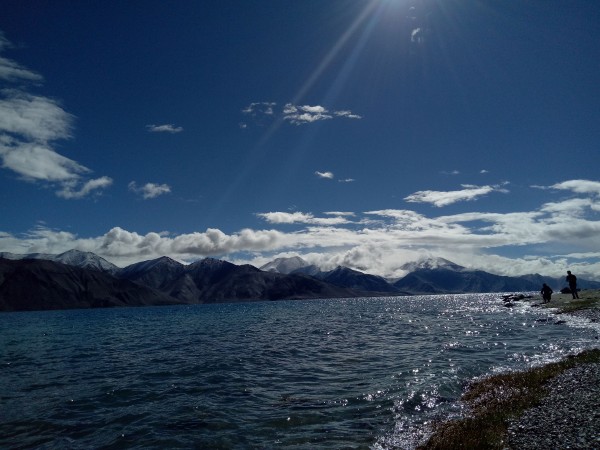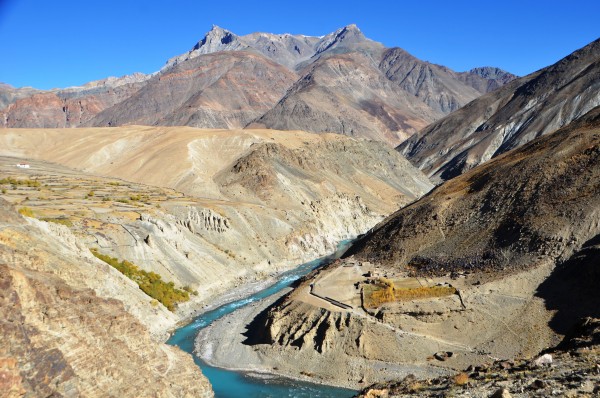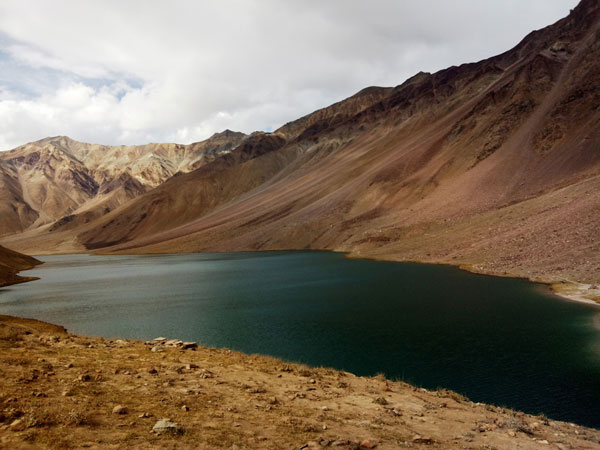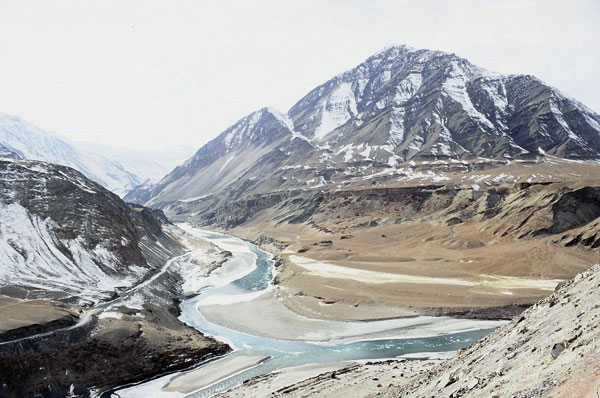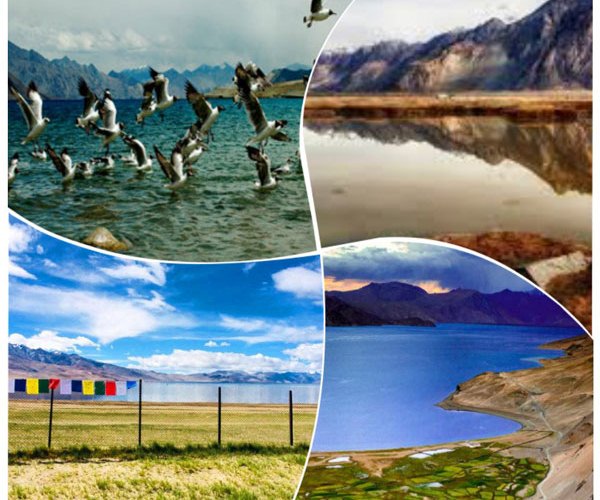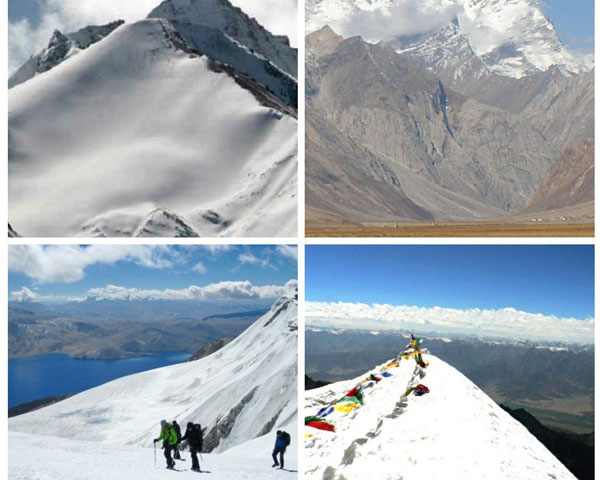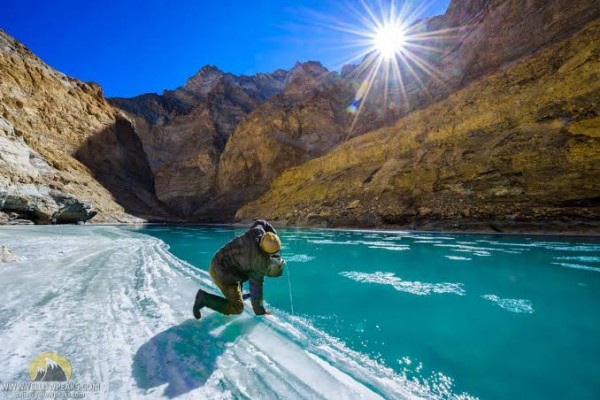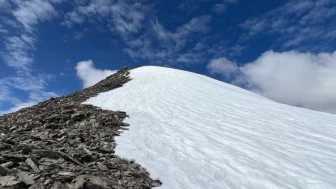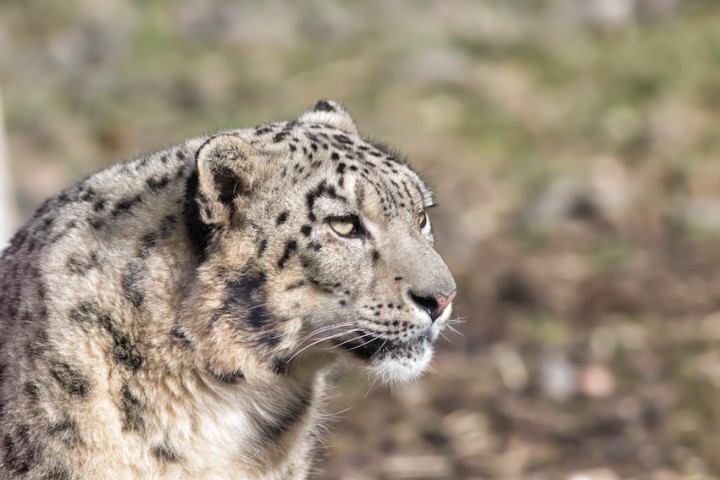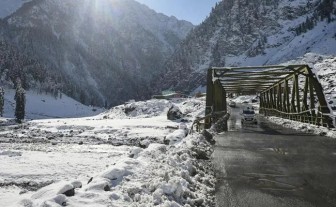
Ladakh looks completely different in winter. Roads turn quieter, high valleys sit under snow, and the rocky slopes become the perfect camouflage for one of the Himalayas' most elusive predators. Snow leopards move through this landscape almost unnoticed, following their prey across steep ridges and frozen valleys. A Leh Ladakh Wildlife Tour during the colder months offers a chance to experience this side of the region.
The focus is not on a quick safari drive or ticking animals off a list. It involves patience, walking, scanning mountain slopes, and learning to read the landscape with the help of local trackers.
Hemis National Park is particularly important for snow leopard sightings. The park is also home to bharal, Asiatic ibex, Tibetan wild ass, Ladakhi urial, Himalayan foxes, and several high-altitude bird species. Winter can bring some of these animals closer to lower valleys, creating better opportunities for wildlife observation.
Overland Escape specialises in thoughtfully planned journeys across Ladakh, with itineraries designed around the region's terrain, wildlife and seasonal conditions.
Its travel experiences are built to give travellers more time to explore remote landscapes while keeping the journey practical and well organised.
Snow leopard tracking in Ladakh follows the movement of prey. During winter, snowfall and limited food at higher elevations encourage animals such as bharal, also known as blue sheep, to move towards lower and more sheltered areas. Snow leopards follow their prey. This makes valleys and slopes around known wildlife habitats more promising for tracking.
December to March is generally considered the main winter period for snow leopard-focused wildlife tours in Ladakh. January and February can be particularly cold, so the experience demands proper clothing, physical preparation, and enough time to adjust to the altitude.
A sighting is never guaranteed. That is part of the experience. The animal may be sitting on a rocky ledge several hundred metres away, blending so well into the terrain that even an experienced observer can miss it. A local tracker might spot a tiny movement long before anyone else does.
Hemis National Park is one of the key wildlife areas associated with snow leopard tracking in Ladakh. Its high-altitude terrain includes rugged mountains, narrow valleys and rocky slopes that provide suitable habitat for the species and its prey.
Rumbak Valley is particularly well known among wildlife travellers. The valley sits within the wider Hemis landscape and is used as a base for winter tracking experiences. Local homestays also make it possible to spend more time in the area rather than returning to Leh after every outing.
A Ladakh Wildlife Expedition through this region can involve early starts, long periods of observation, and walks across uneven terrain. The pace is usually dictated by the wildlife rather than a fixed sightseeing schedule.
That can mean several quiet hours with binoculars or a spotting scope before anything happens. Then suddenly, a tracker points towards a distant ridge.
Snow leopard tracking is less about chasing an animal and more about understanding where it might be. Local trackers look for signs such as footprints, movement patterns, prey activity, and other evidence left in the landscape. They also observe bharal and other animals because their behaviour can sometimes indicate the presence of a predator nearby.
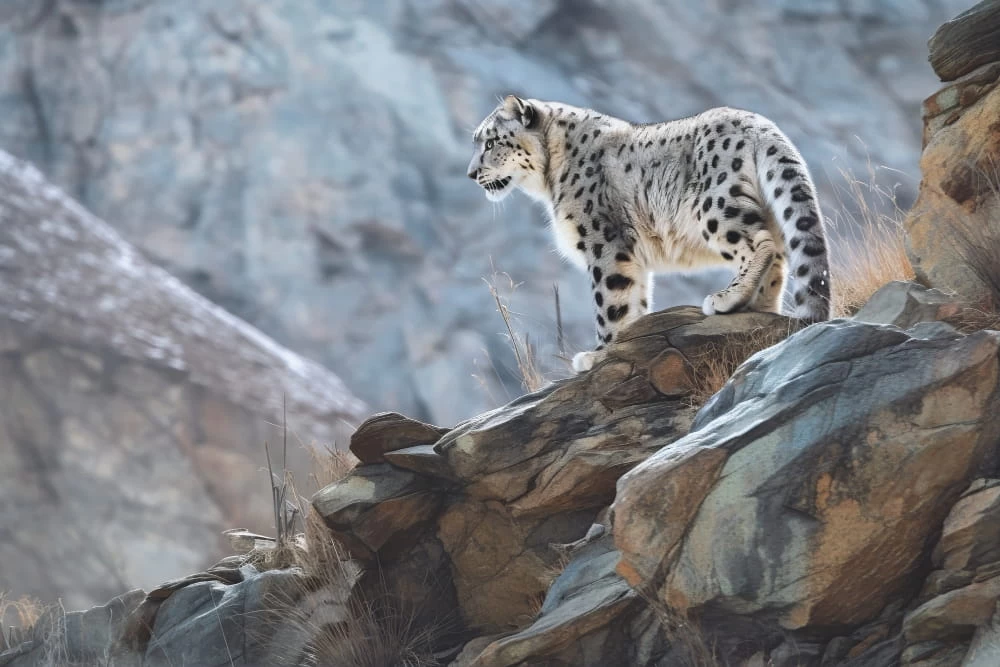
Spotting scopes are especially useful. Snow leopards are built for rocky high-altitude environments, and their pale grey coats can disappear against cliffs, scree and patches of snow.
A trained eye may notice something as small as a change in the shape of a rock, a moving tail or an animal shifting position on a ledge.
Visitors should not expect close encounters. Wildlife is best observed from a respectful distance using binoculars and scopes. Getting closer simply for a photograph can disturb both the animal and its prey.
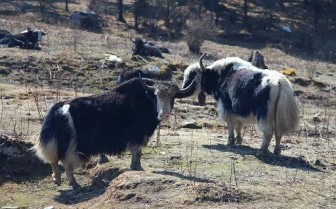
Snow leopards may be the main attraction, but Ladakh's wildlife is much broader. Bharal are among the important prey species found in the region. Their ability to move across steep slopes is impressive, and watching a herd navigate rocky terrain can be an experience in itself.
Asiatic ibex can also be found across Ladakh's mountainous landscapes. The region is also home to Ladakhi urial, Tibetan wild ass and Himalayan foxes. Birdwatchers have plenty to look for as well. Golden eagles, Himalayan griffons, lammergeiers, chukars, Tibetan snowcocks and other high-altitude birds occur across different parts of Ladakh.
This makes a wildlife trip worthwhile even when a snow leopard remains hidden. You may spend the morning scanning a ridge for a leopard and end up watching a golden eagle circling above the valley instead. Wildlife does not follow an itinerary, and that unpredictability is part of what makes the experience memorable.
A typical wildlife safari in a lower-altitude forest often involves a vehicle moving through established safari zones. Snow leopard tracking is different.
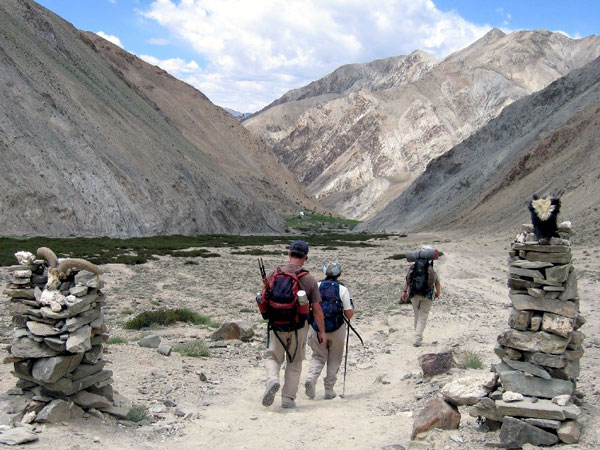
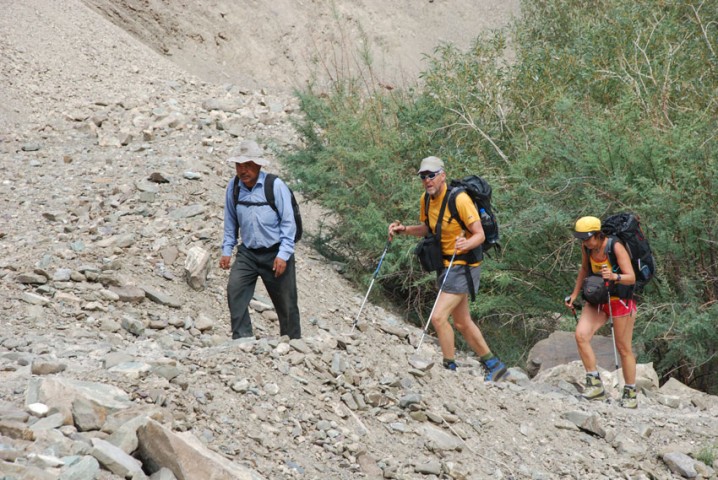
The terrain itself is a major part of the experience. High-altitude valleys, cold temperatures, rocky trails, and thin air all affect how you move. Some wildlife areas require trekking, and the walking conditions can range from moderate to strenuous depending on the route and weather.
Acclimatisation is therefore not something to treat casually. Leh sits at a high altitude, and visitors arriving by air should allow time to rest and adjust before heading into remote wildlife areas. A well-planned itinerary gives the body time to adapt instead of immediately adding strenuous walking to the first day.
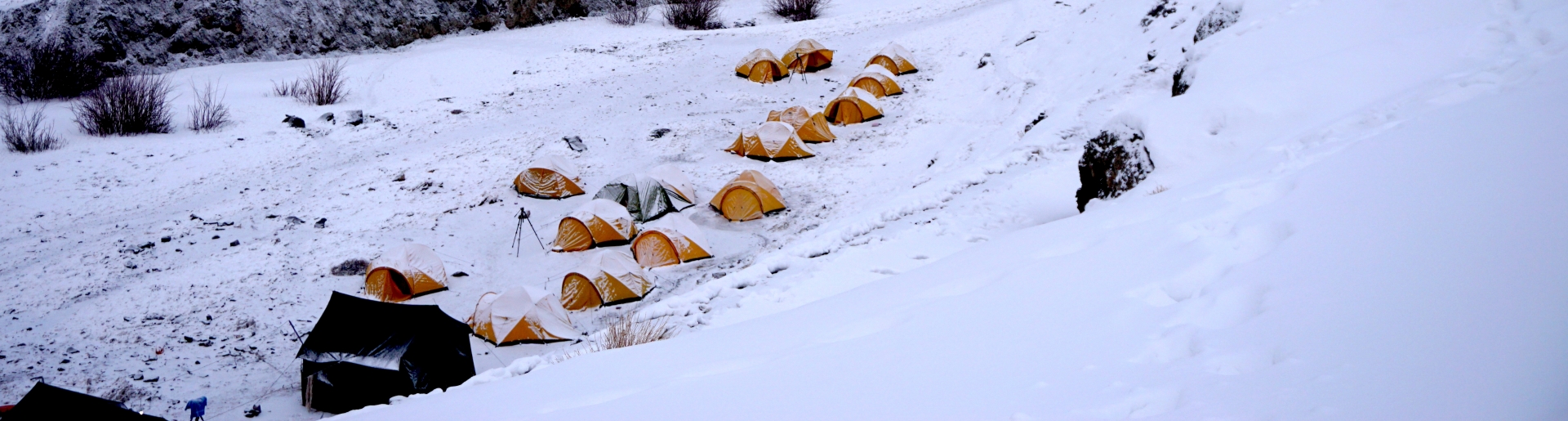
The cold also changes the routine. Early mornings can be extremely cold, while sunshine can feel surprisingly strong during the day. Warm layers, gloves, a suitable jacket, sunglasses, and good walking footwear are essential.
Packing for a winter wildlife trip is slightly different from preparing for a regular Ladakh holiday.
A useful packing list includes:
Camera batteries deserve extra attention. Cold temperatures can reduce battery performance, so carrying spare batteries and keeping them protected from extreme cold is useful. A spotting scope is generally arranged by the expedition team or local trackers, depending on the tour.
Snow leopard tourism works best when the animal's welfare comes before the photograph. Visitors should avoid loud conversations, sudden movements, and attempts to approach wildlife. Following the instructions of local trackers matters because they understand the terrain and animal behaviour far better than a first-time visitor.
Do not leave wrappers, bottles, or other waste behind. Ladakh's high-altitude ecosystem is fragile, and waste can remain in the environment for a long time. Local communities also play an important role in wildlife tourism. Staying in local accommodation, working with local guides, and respecting village customs allows tourism to contribute to the communities living close to these wildlife habitats.
A responsible Leh Ladakh Wildlife Tour should therefore be about more than finding a snow leopard. It should allow travellers to experience the landscape without putting additional pressure on it.
Physical preparation helps, but acclimatisation remains essential. The wildlife areas around Hemis and other parts of Ladakh are not low-altitude safari grounds. Walking at elevation can feel much harder than the same distance at sea level.
Spend sufficient time in Leh before entering remote areas. Keep the first few days relatively easy, drink fluids regularly, and avoid pushing through symptoms of altitude sickness. Your guide should also know about any health concerns or medication requirements before the expedition begins.
Fitness matters too. Regular walking, stair climbing, and moderate cardiovascular exercise before the trip can make long wildlife walks more manageable.
No, and any wildlife expedition should be approached with realistic expectations. Snow leopards are solitary, elusive animals with large ranges and excellent camouflage. Even spending several days in suitable habitat does not guarantee a sighting. That does not make the expedition unsuccessful.
Reading tracks in fresh snow, watching bharal move across a cliff, listening to birds in an otherwise silent valley, or seeing the first light hit the surrounding mountains are all part of the experience.
If the leopard appears, it becomes the unforgettable moment of the trip. If it does not, you still experience one of India's most unusual high-altitude ecosystems.
A specialist wildlife tour can make the experience more organised and purposeful. Local knowledge is especially useful when tracking an animal that can disappear into a mountain slope within seconds.
The Overland Escape team can plan around weather, terrain, acclimatisation, and wildlife activity. Local trackers can also interpret signs that an unfamiliar visitor would probably overlook.
This is particularly valuable during a Ladakh Wildlife Expedition, where conditions can change quickly, and the landscape is far less predictable than a conventional sightseeing route.
The goal is not simply to reach a wildlife area. It is to spend enough time there to actually observe it.
Tracking a snow leopard in Ladakh requires patience. There are cold mornings, long hours behind a spotting scope, and plenty of moments when the mountains appear completely empty.
Then a movement catches your eye. A grey shape appears against the rocks. It pauses for a few seconds before disappearing behind a ridge.
That brief encounter is often what people travel thousands of kilometres to experience. A carefully planned Leh Ladakh Wildlife Tour gives you the opportunity to explore this remarkable winter landscape while learning about the animals, communities and fragile ecosystems that make Ladakh special. The snow leopard may be the star, but the mountains around it tell an equally important story.
Ready to experience Ladakh beyond its familiar routes? Overland Escape brings together carefully planned wildlife journeys, local knowledge, and remote mountain landscapes for travellers who want to experience the wild side of Ladakh. Start planning your snow leopard adventure and see what waits beyond the usual trail.
December to March is generally considered the main season for snow leopard-focused wildlife tours. Winter brings prey species towards lower areas, which can improve opportunities for tracking.
Hemis National Park and areas around Rumbak Valley are among the best known locations for snow leopard tracking. Other high-altitude wildlife areas in Ladakh also support snow leopard populations.
It can be, provided the itinerary matches your fitness level and includes proper acclimatisation. Wildlife tours may involve moderate to strenuous walking on rugged high-altitude terrain.
The ideal duration depends on the itinerary, but allowing several days for acclimatisation and wildlife tracking gives you more time to explore the habitat and look for wildlife without rushing.
Depending on the location and season, you may encounter bharal, Asiatic ibex, Ladakhi urial, Tibetan wild ass, Himalayan foxes, and several high-altitude bird species.
No. Snow leopards are wild and highly elusive animals. Even experienced trackers cannot guarantee a sighting, so the expedition should be approached as a wildlife experience rather than a guaranteed animal encounter.
Ladakh's wildlife habitats are located at high elevations. Spending enough time acclimatising in Leh before strenuous activity allows your body to adjust to the altitude and makes the trip more manageable.



 Activities